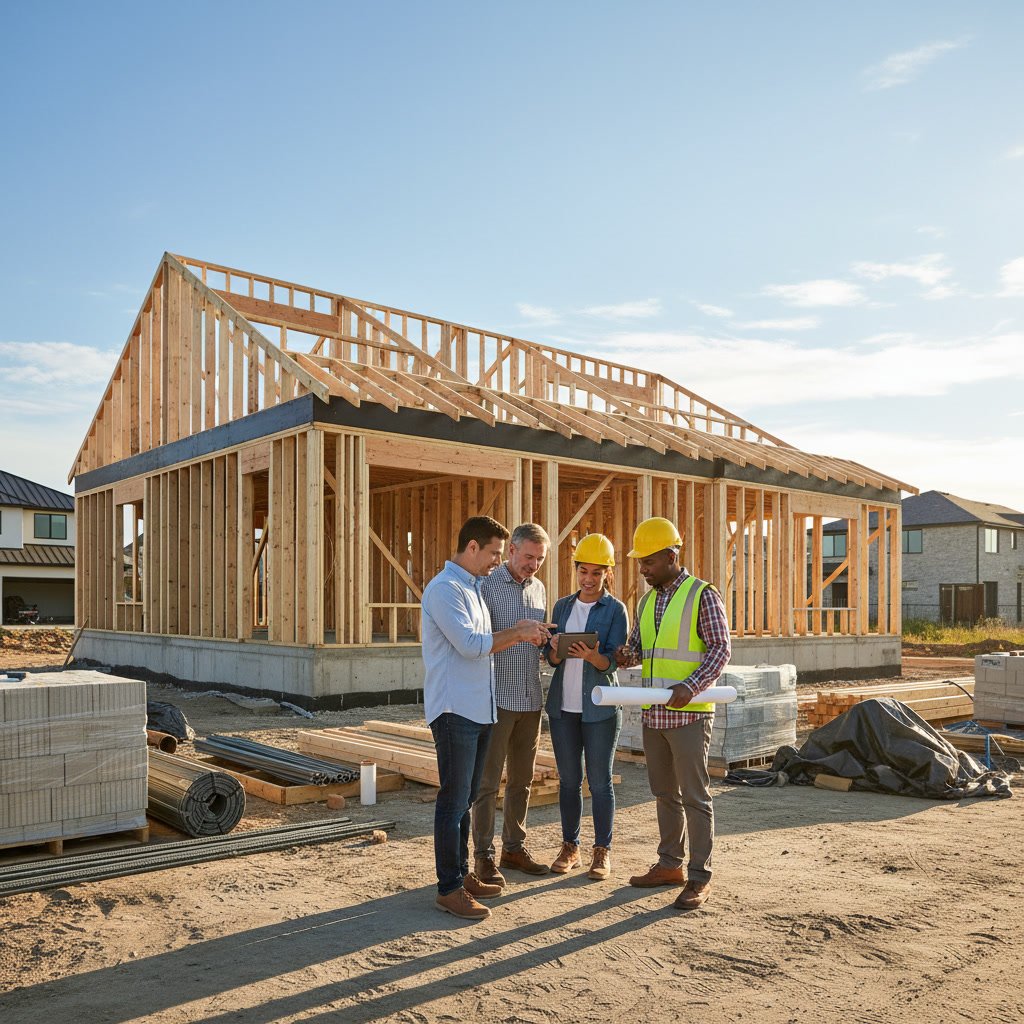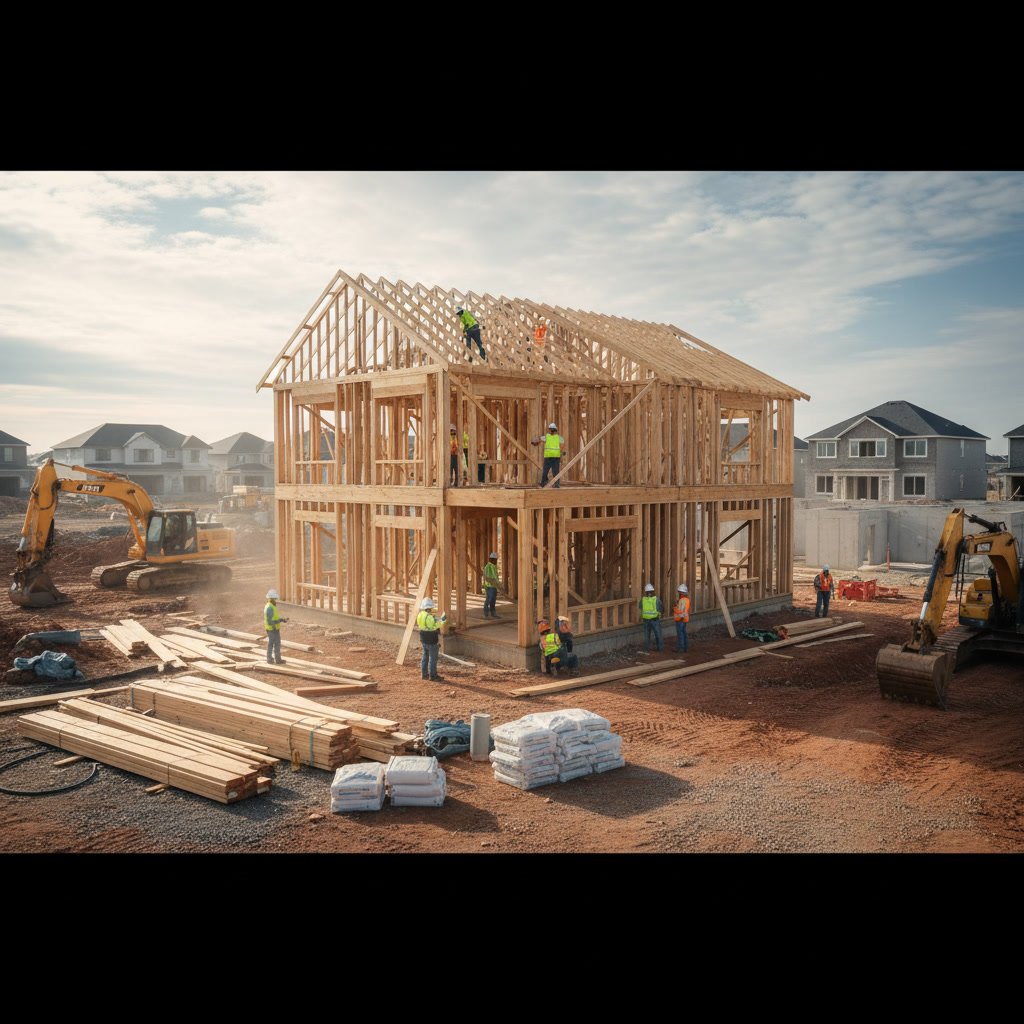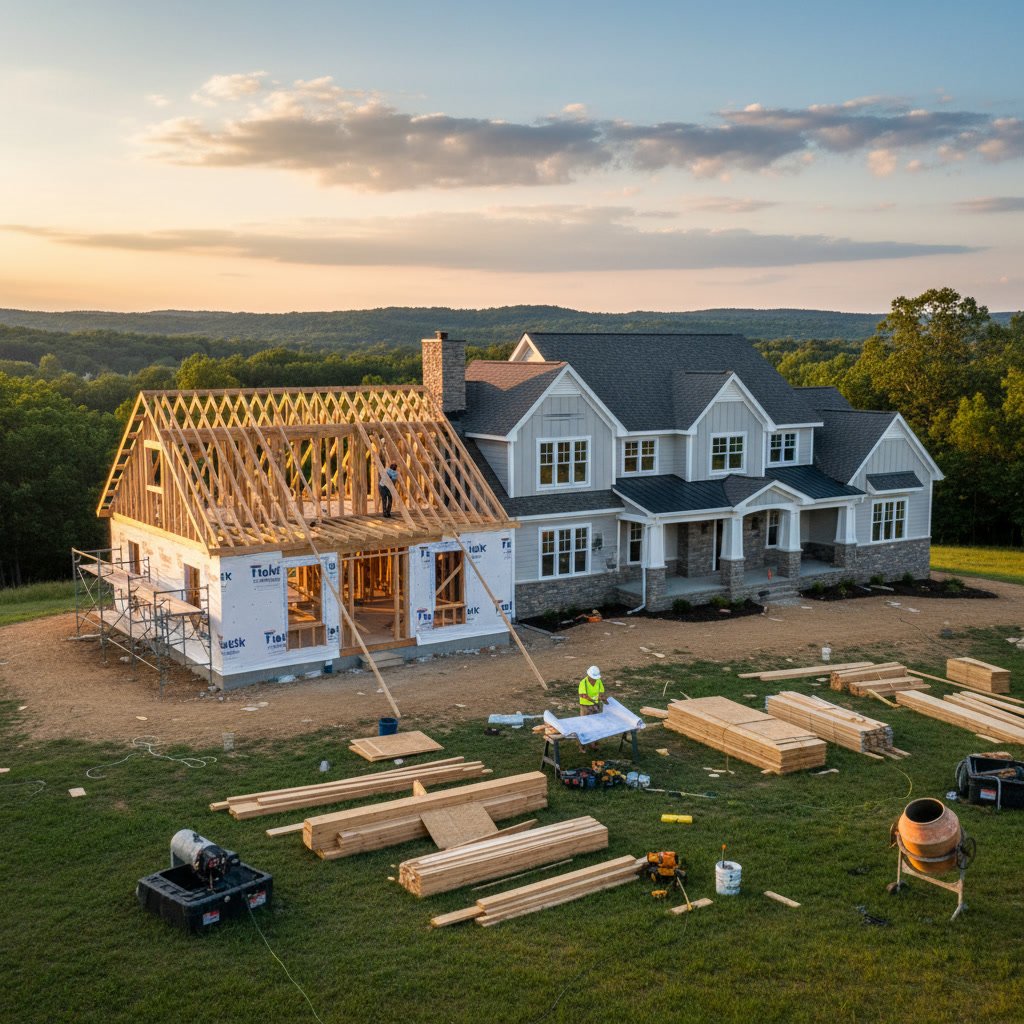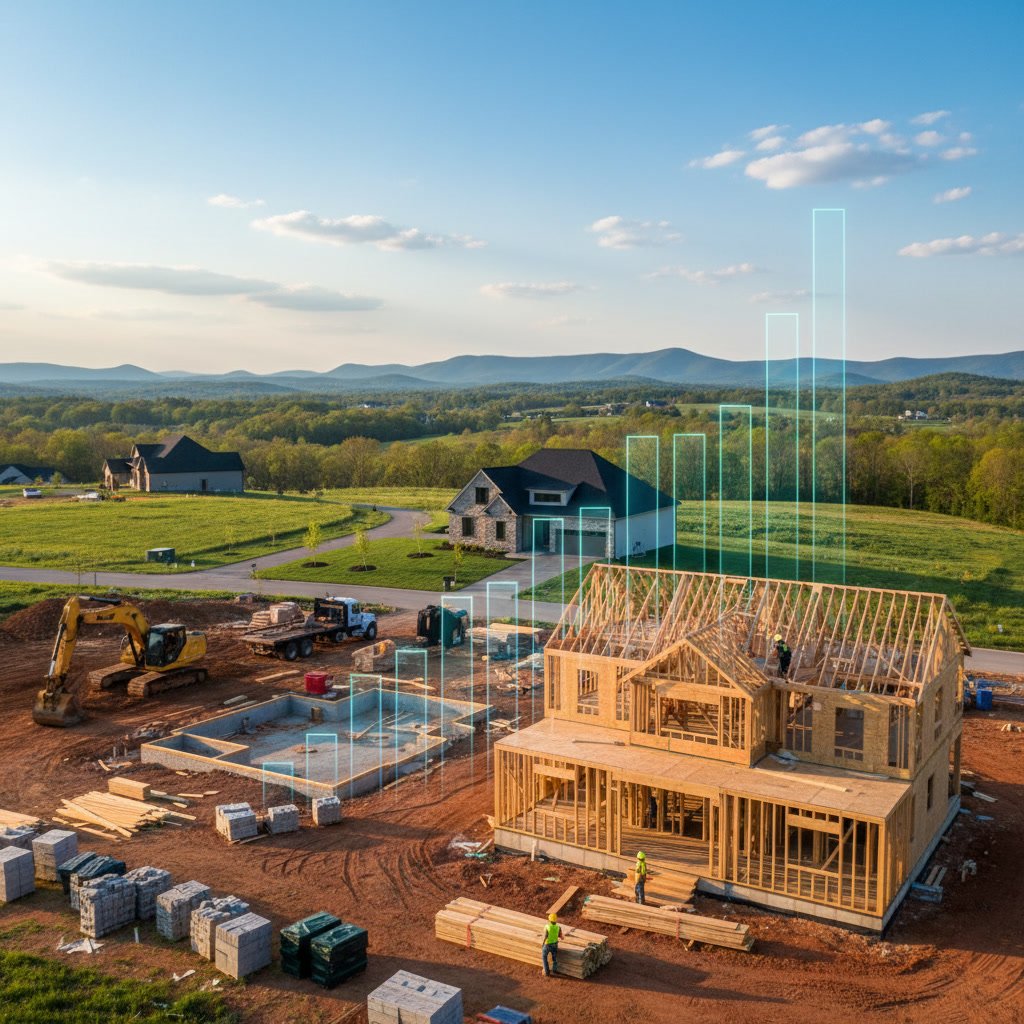
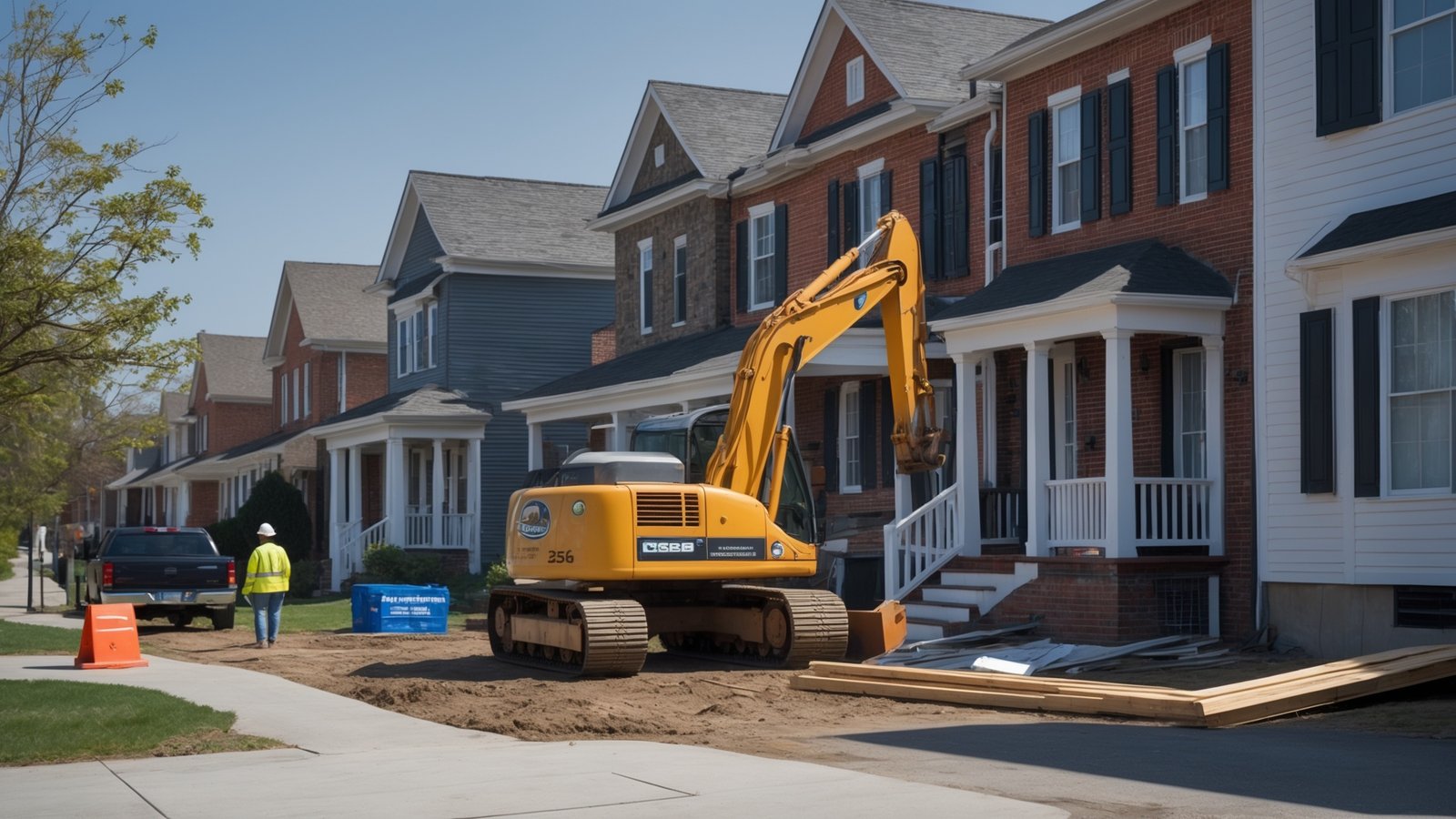
Your family is growing, your home office needs space, or you simply want more room to breathe. A home addition solves your space problem without the hassle of moving. But before you start planning that dream master suite or expanded kitchen, you need to understand what you’re really signing up for financially. The home addition cost in Harford County varies widely depending on size, complexity, and materials, but most homeowners spend between $100 and $450 per square foot for a quality addition.
This guide breaks down exactly what drives pricing for home additions, what you can expect to pay for different types of projects, and how to plan your budget wisely. Whether you’re considering a simple bump-out or a full second-story addition, you’ll find the numbers and details you need to make an informed decision.
Average Home Addition Costs in Harford County
In Harford County and the surrounding Maryland region, the typical home addition costs between $50,000 and $200,000. Most homeowners land somewhere in the middle, spending around $120,000 for a 400 square foot addition with standard finishes.
The per-square-foot pricing breaks down into rough tiers. Basic additions with minimal plumbing and simple finishes start around $100 to $150 per square foot. Mid-range additions with moderate finishes, some plumbing, and standard materials run $150 to $300 per square foot. High-end additions featuring luxury finishes, extensive plumbing and electrical, or complex structural requirements can reach $300 to $450 per square foot or more.
These figures account for local labor rates, Maryland building codes, permit costs, and the typical material prices in the Baltimore and Harford County area. Your actual costs will depend on your specific project scope and choices.
What Drives Home Addition Cost
Understanding the factors that push your project budget up or down helps you make smarter decisions and avoid surprises. Several key elements determine your final bill.
Size and Square Footage
Size is the most obvious cost driver. A 200 square foot bump-out costs far less than a 1,000 square foot second-story addition. However, per-square-foot costs don’t scale linearly. Smaller additions often cost more per square foot because fixed costs like permits, design, and foundation work get spread over less space.
A 150 square foot bathroom addition might run $250 per square foot, while a 500 square foot family room addition could come in at $180 per square foot. The larger project spreads those baseline costs more efficiently.
Foundation and Structural Requirements
How you connect your addition to existing structure dramatically affects pricing. A ground-level addition requires foundation work, excavation, and footers. Expect to add $10,000 to $30,000 for foundation alone, depending on soil conditions and frost line requirements in Maryland.
Second-story additions avoid foundation costs but demand significant structural reinforcement. Your existing walls, floors, and framing must support the additional weight. Structural engineering, beam installation, and reinforcement work can add $15,000 to $40,000 to your project.
Bump-outs that extend an existing room by just a few feet offer the most economical structural approach, typically adding only $5,000 to $15,000 in foundation and framing costs.
Plumbing and Electrical Systems
Adding a bathroom, kitchen, or wet bar means plumbing. Running new water supply lines, drain lines, and vents adds $3,000 to $8,000 for basic bathroom plumbing, and $5,000 to $15,000 or more for full kitchen plumbing.
Electrical work includes new circuits, outlets, switches, and lighting. Basic electrical for a simple room addition runs $2,000 to $5,000. More complex needs like multiple zones, recessed lighting, or heavy appliances push costs to $5,000 to $12,000.
HVAC extension is often overlooked but essential. Extending your existing system to heat and cool new space costs $3,000 to $8,000. If your current system can’t handle the added load, a new unit might be necessary, adding $5,000 to $15,000 or more.
Finish Level and Materials
Your choice of finishes creates the widest cost range. Builder-grade materials and simple finishes keep costs down. Mid-range materials like hardwood flooring, granite countertops, and quality fixtures sit in the middle. Custom millwork, high-end tile, premium appliances, and luxury fixtures push you into the top tier.
The difference between vinyl flooring at $3 per square foot and hardwood at $12 per square foot adds up quickly across a 400 square foot addition. Multiply these choices across every surface and fixture, and your finish selections can swing your total cost by $30,000 or more.
Permits and Design
Harford County requires permits for home additions. Permit costs typically run $1,500 to $4,000 depending on project scope. Factor in additional time for review and approval, which can add weeks to your timeline.
Architectural or design services range from $2,000 to $10,000 or more. Simple additions may only need construction drawings, while complex projects benefit from full architectural services. Structural engineering adds another $1,500 to $5,000 when needed.
Cost Breakdown by Addition Type
Different types of additions carry different price tags. Here’s what to expect for common projects in the Harford County area.
Bathroom Addition
Adding a full bathroom typically costs $30,000 to $65,000. This includes framing, foundation, plumbing, electrical, fixtures, tile, and finishes for a 75 to 100 square foot space.
A master bathroom with luxury finishes, a soaking tub, walk-in shower, and double vanity can reach $80,000 to $120,000. Half-bath additions run cheaper, typically $20,000 to $40,000.
Bedroom Addition
A basic bedroom addition of 200 to 250 square feet costs $40,000 to $80,000. This provides space for a bed, closet, and windows, with standard finishes and basic electrical.
Master suite additions that include a bedroom, walk-in closet, and attached bathroom range from $100,000 to $180,000 for 400 to 600 square feet. Custom built-ins and high-end finishes push the top end higher.
Kitchen Addition or Expansion
Expanding your kitchen runs $75,000 to $150,000 for 200 to 300 square feet. This includes structural work, flooring, cabinetry, countertops, plumbing, electrical, and appliances.
High-end kitchen additions with custom cabinetry, premium appliances, stone counters, and luxury finishes can exceed $200,000. Smaller bump-outs that add just 50 to 100 square feet to an existing kitchen cost $25,000 to $60,000.
Family Room or Living Space
A ground-level family room addition of 300 to 400 square feet typically costs $60,000 to $120,000. This includes foundation, framing, windows, doors, flooring, drywall, paint, and basic electrical.
Sunrooms or three-season rooms with extensive windows cost $40,000 to $90,000 for similar square footage. Four-season rooms with full insulation and HVAC run closer to standard addition pricing.
Second-Story Addition
Adding a full second story is the most expensive option per square foot, typically running $250 to $400 per square foot. For 800 to 1,000 square feet, expect $200,000 to $400,000.
These projects require significant structural work, temporary housing during construction, roof removal and replacement, and staircase installation. However, you maximize space without reducing yard area and avoid foundation costs.
Hidden Costs to Budget For
Smart homeowners plan for expenses beyond the obvious construction costs. These often-overlooked items can add 10% to 25% to your budget.
Matching existing materials can cost more than new materials. If your home has discontinued siding, brick, or roofing, finding matches requires extra effort and expense. Sometimes partial replacement of existing areas becomes necessary to achieve a seamless look.
Utilities relocation happens more often than expected. Gas lines, electrical panels, water meters, or HVAC equipment sometimes sit exactly where your addition needs to go. Moving these services adds $2,000 to $10,000 or more.
Landscaping restoration is rarely included in construction bids. Heavy equipment compacts soil, construction materials damage lawns, and excavation destroys existing plantings. Budget $3,000 to $10,000 to restore your yard after construction.
Temporary living arrangements may be necessary for major additions, especially second-story projects. If construction makes your home unlivable for weeks, hotel costs add up quickly.
Furnishing and decorating your new space isn’t part of construction costs. A 400 square foot addition might need $5,000 to $20,000 in furniture, window treatments, and decor to feel complete.
Pro Tip: Add a 15% to 20% contingency to your budget for unexpected conditions. Old homes especially can reveal surprises like outdated wiring, plumbing issues, or structural concerns once walls open up.
How to Reduce Home Addition Cost Without Sacrificing Quality
Smart planning and strategic choices can significantly reduce your home addition cost while maintaining quality results. These approaches save money without compromising structural integrity or longevity.
Build up instead of out when your lot allows. Adding a dormer or second-story space to existing footprint eliminates foundation costs and preserves yard space. While per-square-foot costs may be higher, total project costs often come in lower for the space gained.
Keep the footprint simple. Rectangular additions cost less than complex shapes with multiple corners and angles. Each corner adds framing complexity, roofing difficulty, and material waste. A simple 20×20 addition costs considerably less than an equivalent square footage with bump-outs and angled walls.
Minimize plumbing runs by locating new bathrooms or kitchens adjacent to existing plumbing. Every foot of distance from existing water and drain lines adds cost. Stacking a second-floor bathroom above a first-floor bathroom uses the same plumbing chase, cutting costs substantially.
Choose finishes strategically. Splurge on items that affect longevity and function like quality windows, proper insulation, and solid framing. Save on easily changed items like paint colors, light fixtures, and cabinet hardware. You can upgrade these later without major construction.
Handle some tasks yourself if you have skills and time. Painting, landscaping restoration, or demolition work can be done by capable homeowners. However, leave structural, electrical, and plumbing work to licensed professionals. Poor DIY work often costs more to fix than hiring professionals initially.
Time your project wisely. Contractors often offer better rates during slower winter months. Material prices fluctuate, and planning ahead lets you buy when prices dip. However, avoid rushing to save a few dollars if it means compromising design or contractor selection.
Choosing the Right Contractor for Your Addition
Your contractor choice affects both cost and quality more than any other single factor. A skilled general contractor delivers value through efficient execution, problem-solving, and quality work that lasts decades.
Look for contractors with specific home addition experience, not just general remodeling or new construction. Additions require specialized skills in matching existing structures, working around occupied homes, and solving unique structural challenges.
Verify licensing and insurance thoroughly. Maryland requires contractors to be licensed. Harford County projects demand compliance with local codes and regulations. Ask for proof of liability insurance and workers’ compensation coverage. This protects you from liability if accidents occur on your property.
Request detailed written estimates from multiple contractors. The lowest bid isn’t always the best value. Compare what’s included in each estimate. Some contractors provide detailed breakdowns while others give lump sums. Detailed estimates help you understand where your money goes and make apples-to-apples comparisons.
Check references and completed projects. Ask to see recently completed additions similar to yours. Talk to previous clients about communication, timeline adherence, budget management, and problem resolution. A contractor’s track record tells you more than their sales pitch.
Discuss timeline expectations realistically. Quality additions take time. A 400 square foot addition typically requires 12 to 20 weeks from permit to completion, depending on complexity and weather. Be wary of contractors who promise unrealistically fast completion.
Understand payment schedules before signing contracts. Never pay the full amount upfront. Typical schedules include a deposit at signing, progress payments at specific milestones, and final payment upon completion. This structure protects both parties and ensures work proceeds properly.
Financing Your Home Addition
Most homeowners need financing for major additions. Several options exist, each with advantages and considerations.
Home equity loans provide lump sum funding at fixed interest rates. You receive all funds upfront and make fixed monthly payments over 5 to 30 years. This works well when you know exact project costs and want payment predictability.
Home equity lines of credit (HELOCs) offer flexible borrowing up to a set limit. You draw funds as needed and pay interest only on amounts used. This flexibility helps manage costs for projects with some uncertainty, but variable rates mean payment amounts can change.
Cash-out refinancing replaces your existing mortgage with a larger loan, providing cash for your addition. This makes sense when current mortgage rates are lower than your existing rate, letting you fund your addition while potentially lowering your overall monthly payment.
Construction loans provide funds in stages as work progresses. Lenders inspect work before releasing each payment, ensuring your money goes toward completed work. These loans often convert to traditional mortgages after construction, simplifying your long-term financing.
Personal loans require no home equity but carry higher interest rates. For smaller additions under $50,000, personal loans offer speed and simplicity without putting your home at risk as collateral.
Consider the return on investment when financing. Most additions recoup 50% to 80% of their cost in home value. Bathroom and bedroom additions typically return more than elaborate specialty spaces. However, if your addition solves a real problem and you plan to stay in your home long-term, personal value matters more than resale return.
Frequently Asked Questions
How long does a home addition take to complete?
Most home additions in Harford County take 12 to 24 weeks from permit approval to final completion. Simple bump-outs or single-room additions may finish in 8 to 12 weeks, while complex multi-room or second-story additions can take 20 to 32 weeks. Weather, material availability, and permit processing affect timelines. Your contractor should provide a detailed schedule during planning.
Do I need to move out during construction?
Most ground-level additions allow you to remain in your home during construction, though you’ll experience noise, dust, and worker presence during business hours. Second-story additions often require temporary relocation for several weeks when roof removal occurs or structural work affects living areas. Bathroom and kitchen additions may require using alternative facilities during plumbing work. Discuss living arrangements with your contractor during planning to understand what to expect.
Will a home addition increase my property taxes?
Yes, home additions increase your property’s assessed value, which raises property taxes. In Maryland, the assessment increase typically reflects 50% to 80% of your addition’s cost. A $100,000 addition might increase your assessed value by $50,000 to $80,000, raising annual taxes by $1,000 to $2,000 depending on local tax rates. The exact impact varies by jurisdiction and your home’s current assessment.
How much value does a home addition add?
Home additions typically return 50% to 80% of their cost in immediate resale value, though this varies by addition type and market conditions. Bathroom additions return 60% to 75%, bedroom additions return 55% to 70%, and sunrooms return 45% to 60%. However, if your addition solves a functional problem like too few bedrooms or bathrooms for your neighborhood, it can return more. Long-term homeowners gain value through improved quality of life beyond just resale return.
Can I build an addition myself to save money?
While you can legally build your own home addition in Maryland, most homeowners lack the skills, tools, and time required. Additions demand expertise in foundation work, framing, roofing, plumbing, electrical, and finishing. Permit requirements remain the same regardless of who does the work, and inspection failures cause costly delays. Most people who attempt DIY additions end up hiring professionals to fix mistakes, ultimately spending more. If you have genuine construction experience, you might handle some tasks, but structural, electrical, and plumbing work should always be done by licensed professionals.
Planning Your Harford County Home Addition
Understanding home addition cost helps you plan realistically and avoid budget surprises. Most projects in Harford County range from $100 to $450 per square foot depending on size, complexity, and finishes. Factor in hidden costs, financing expenses, and contingencies to create a realistic budget that covers your complete project.
Working with experienced professionals ensures your addition meets structural requirements, building codes, and your quality expectations. Winner Chenoweth Enterprises LLC brings years of construction expertise to home additions throughout Baltimore, Harford County, and surrounding Maryland areas. From initial planning through final inspection, their team handles every phase of your addition with the craftsmanship and attention to detail that makes your investment last.
Ready to discuss your home addition project? Contact Winner Chenoweth Enterprises LLC at +17178175128 to schedule a consultation and receive a detailed estimate for your specific needs.