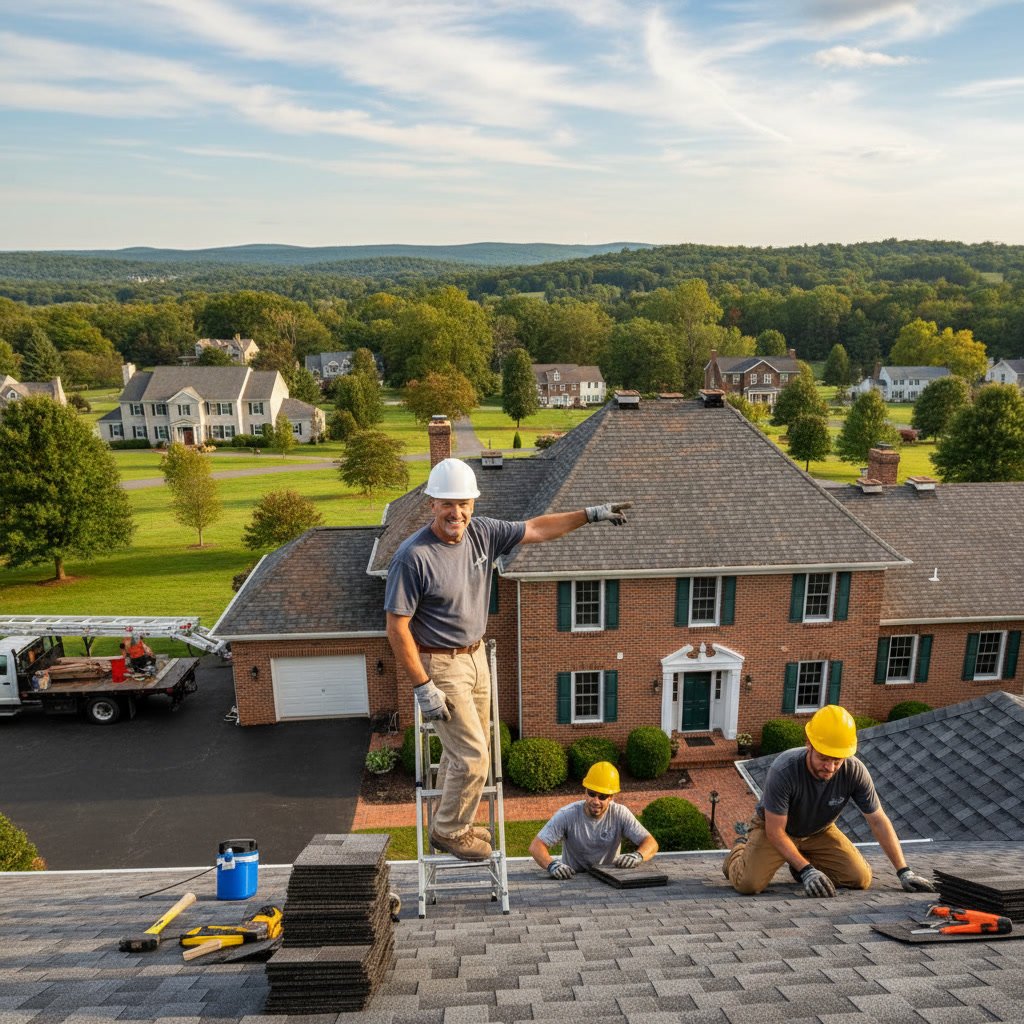
Your roof protects everything underneath it, so choosing the wrong contractor can lead to costly repairs, structural damage, and years of headaches. Finding a qualified roofing contractor York County homeowners can trust means looking beyond the lowest bid and evaluating credentials, experience, and reputation. This guide walks you through the essential steps to vet contractors, ask the right questions, and avoid common pitfalls when planning your next roofing project.
Whether you need repairs after storm damage, a full replacement, or a new build, the contractor you hire will determine the quality and longevity of your roof. With dozens of companies operating in York County and surrounding areas, knowing what separates professionals from amateurs is critical.
Verify Licenses, Insurance, and Certifications
Before you discuss a single shingle, confirm that any roofing contractor York County residents hire holds the proper credentials. In Pennsylvania, home improvement contractors must register with the Pennsylvania Attorney General’s Office if they perform work exceeding $5,000. Ask for the registration number and verify it online.
General liability insurance protects your property if the crew damages your siding, windows, or landscaping during installation. Workers compensation insurance covers medical bills and lost wages if a worker gets injured on your property. Request certificates of insurance and call the insurance company directly to confirm the policies are active and meet minimum coverage requirements.
Manufacturer certifications indicate that a contractor has completed training on specific roofing systems. Certifications from GAF, CertainTeed, Owens Corning, or other major manufacturers often come with extended warranty options that protect your investment beyond standard coverage.
Check Local References and Online Reviews
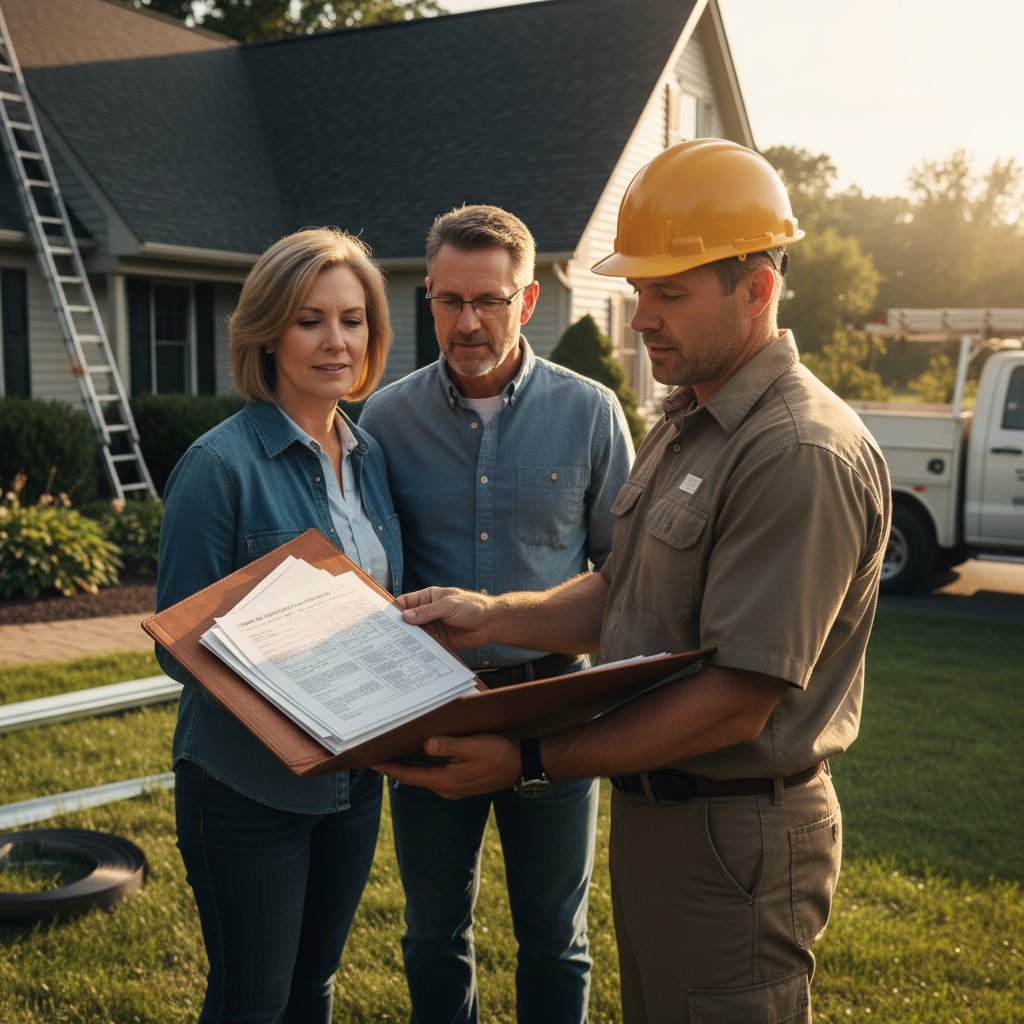
A reputable contractor should provide at least five local references from projects completed within the past two years. Call these homeowners and ask specific questions about timeline adherence, job site cleanliness, communication, and whether the final cost matched the estimate.
Drive by completed projects if possible. Look for uniform shingle alignment, clean flashing details, and proper ventilation components. A quality roof installation should look seamless and professional from the street.
Online reviews on Google, Facebook, and the Better Business Bureau reveal patterns. One or two negative reviews happen to every company, but repeated complaints about the same issues signal deeper problems. Pay attention to how the company responds to criticism, as this indicates how they handle problems on active jobs.
Pro Tip: Ask for references from projects similar to yours. If you need storm restoration work, speak with homeowners who hired the contractor after severe weather events, not just routine replacements.
Evaluate Experience With Your Roof Type
Not all roofing contractors have equal experience across different roof types and materials. Asphalt shingles, metal roofing, slate, tile, and flat roofs each require specialized knowledge and techniques.
Ask how many projects similar to yours the contractor completes annually. A company that installs 200 asphalt shingle roofs per year but only two metal roofs may not be your best choice if you want standing seam metal panels.
Steep-slope roofs, complex valleys, multiple dormers, and unusual architectural features require advanced skills. The contractor should explain how they will address challenging aspects of your specific roof design, including ventilation requirements, ice dam prevention, and proper flashing around chimneys and skylights.
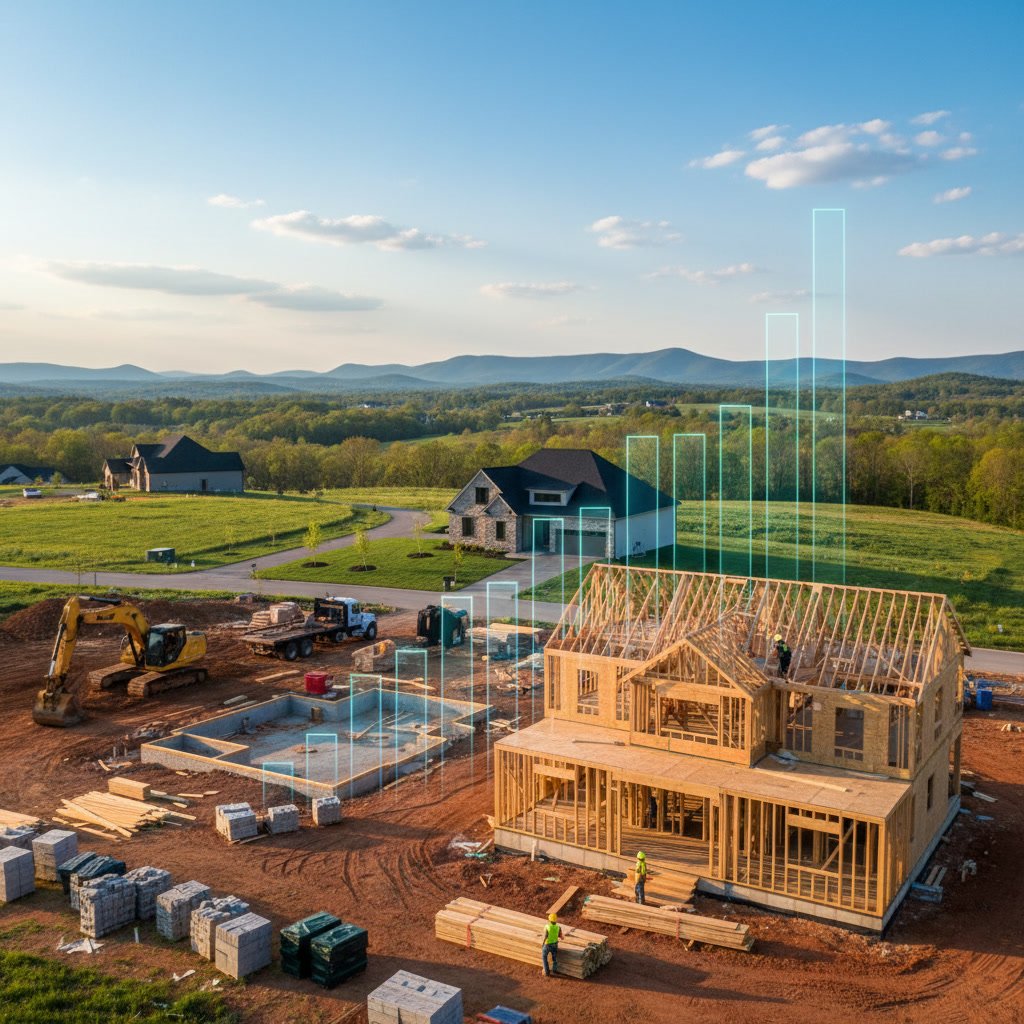
Winner Chenoweth Enterprises LLC serves homeowners throughout Pennsylvania and brings extensive experience in both residential and commercial roofing projects. The team handles everything from basic repairs to complete tear-offs and replacements.
Understand the Estimate and Contract Details
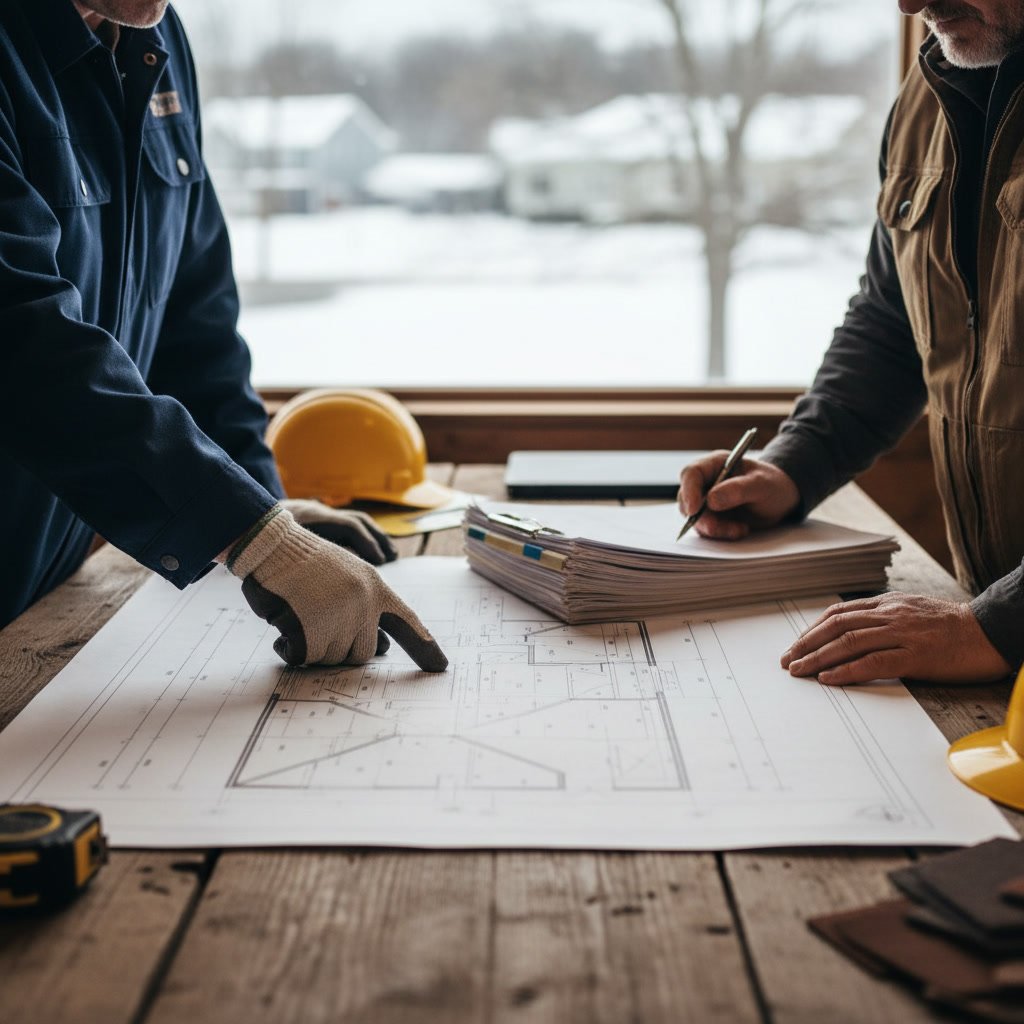
A professional estimate should break down every component of the project, not just provide a single lump sum. Look for line items covering tear-off and disposal, underlayment type and brand, shingle manufacturer and model, ventilation components, flashing materials, and labor.
The contract should specify start and completion dates, payment schedule, warranty information, and procedures for handling unexpected issues like rotted decking discovered during tear-off. Never sign a contract that requires full payment upfront or leaves the total cost open-ended.
Payment schedules typically include a deposit at signing (usually 10-25%), a progress payment when materials arrive or work reaches the midpoint, and final payment upon completion and inspection. Avoid contractors who demand cash payments or pressure you to pay before work is finished.
Material Quality and Warranty Coverage
The cheapest shingles available may save money initially but often carry shorter warranties and fade or deteriorate faster than premium options. A 30-year architectural shingle typically offers better wind resistance, impact ratings, and aesthetic appeal than basic three-tab shingles.
Understand the difference between manufacturer warranties and workmanship warranties. Manufacturer warranties cover defects in the roofing materials themselves, while workmanship warranties cover installation errors. Quality contractors provide workmanship warranties ranging from five to 25 years depending on the scope of work.
If your project includes more than just roofing, such as siding replacement or other exterior work, clarify whether warranties cover all components or only specific materials.
Ask About Permits and Inspections
Most municipalities in York County require building permits for roof replacements and major repairs. The contractor should handle permit applications, but you remain legally responsible as the property owner if work proceeds without proper permits.
Permits ensure that work meets current building codes for wind uplift resistance, fire ratings, and structural requirements. Inspectors typically examine the roof deck before new materials go down and perform a final inspection upon completion.
Skipping permits might seem like a cost-saving measure, but unpermitted work can complicate insurance claims, reduce property value, and create liability issues if you sell your home. Reputable contractors always pull required permits and schedule inspections.
Assess Communication and Professionalism
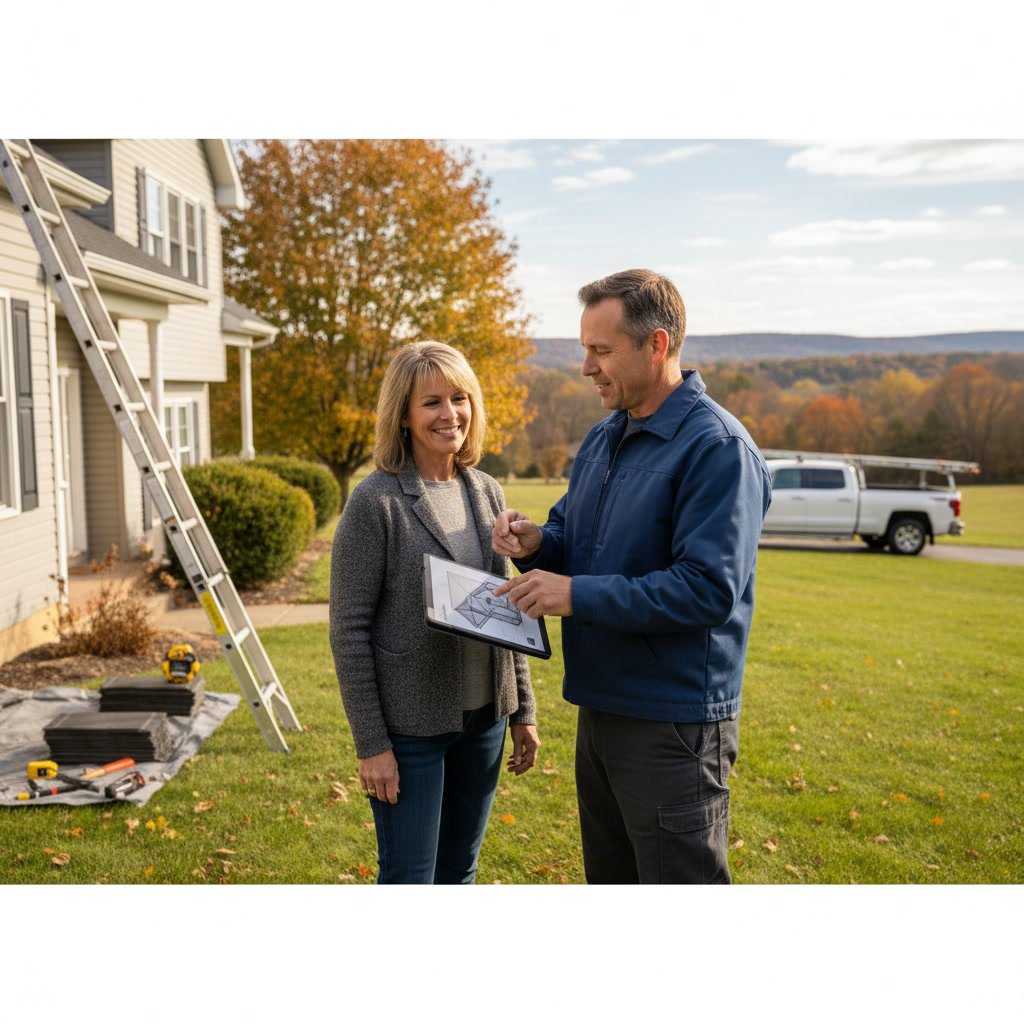
The contractor’s responsiveness during the estimate phase typically predicts their communication throughout the project. If they take days to return calls or emails before you hire them, expect similar delays when you have questions during installation.
Professional contractors arrive on time for appointments, provide written estimates within a reasonable timeframe, and answer questions clearly without using high-pressure sales tactics. They should explain technical aspects in terms you understand and offer multiple options at different price points.
Red flags include contractors who show up unannounced claiming they have leftover materials from a nearby job, require immediate decisions to lock in special pricing, or refuse to provide written estimates. These tactics indicate desperation or dishonesty, not good business practices.
Key Takeaway: Trust your instincts. If something feels off about the contractor’s approach, presentation, or answers to your questions, continue your search. You will work with this company for weeks and rely on their work for decades.
Consider Company Stability and Local Presence
A company with years of local history is more likely to honor warranties and address issues than a contractor who works under a new business name every few years. Ask how long the company has operated under its current name and whether the owners have previous construction experience.
Local companies have reputations to protect within their communities and are easier to reach if problems arise. National chains or traveling storm chasers who arrive after severe weather often disappear once they complete the initial wave of projects, leaving homeowners with no recourse for warranty claims.
A physical business address (not just a P.O. box) and local phone number indicate stability. Companies without a permanent office or local presence may lack the infrastructure to support long-term warranty commitments.
Insurance Claims and Storm Damage Experience
If you are filing an insurance claim for storm damage, choose a contractor experienced in working with insurance adjusters and familiar with claim documentation requirements. They should inspect your roof thoroughly, document all damage with photos, and provide detailed repair estimates that align with insurance industry standards.
Some contractors offer to handle the entire claims process, which can reduce stress but may create conflicts of interest. Understand that your contractor works for you, not your insurance company, and their estimate should reflect all necessary repairs, not just what the adjuster initially approves. For more context on repair costs, see our guide on storm damage roof repair costs in Maryland.
Compare Multiple Estimates Carefully
Obtain at least three written estimates from different contractors before making a decision. Comparing multiple bids helps you understand fair market rates and identify unusually low or high quotes that require explanation.
The lowest bid often indicates shortcuts in materials, inadequate insurance coverage, or inexperience that will cost more in the long run. The highest bid does not automatically mean the best quality. Focus on value, not just price.
Ask why estimates differ significantly. One contractor may include higher-grade underlayment, additional ventilation components, or more thorough flashing details that justify a higher price. Another may cut costs by using minimum code requirements or budget materials that compromise longevity.
If you are planning multiple home improvements, working with a full-service contractor can streamline scheduling and provide consistency across projects. Companies offering both roofing and related services like additions or interior remodeling often provide better coordination than hiring separate specialists.
Frequently Asked Questions
How much does a roof replacement cost in York County Pennsylvania?
Roof replacement costs in York County typically range from $5,500 to $12,000 for an average single-family home, depending on roof size, pitch, material choice, and complexity. Premium materials like architectural shingles or metal roofing increase costs, while basic three-tab shingles represent the lower end. Get multiple detailed estimates to understand fair pricing for your specific project.
What should I ask a roofing contractor during the estimate?
Ask about their license and insurance status, how long they have been in business, how many crews they operate, their typical project timeline, what warranty they provide on labor, whether they handle permits and inspections, and how they protect landscaping and property during work. Request references from recent projects similar to yours and ask to see examples of their completed work.
How long does a typical roof replacement take?
Most residential roof replacements take one to three days for completion, depending on roof size, complexity, and weather conditions. Simple ranch-style homes with easy access may be finished in a single day, while two-story homes with multiple valleys, dormers, or steep pitches require more time. The contractor should provide a timeline estimate and communicate any delays promptly.
Can I stay home during roof replacement?
Yes, you can remain home during roof replacement, though noise from tear-off and installation can be disruptive. Vibrations may shake walls and ceilings, so secure hanging pictures and fragile items beforehand. Keep pets indoors and away from work areas, and plan activities outside the home if the noise bothers you. The contractor should explain daily work hours and break schedules.
What is the best time of year for roof replacement in Pennsylvania?
Late spring through early fall offers the best weather conditions for roofing in Pennsylvania, with moderate temperatures that help shingles seal properly. However, experienced contractors work year-round as long as temperatures remain above freezing. Winter installations are possible but may require additional precautions and take longer due to shorter daylight hours and weather delays.
Making Your Final Decision
Choosing the right roofing contractor York County homeowners can rely on requires evaluating credentials, experience, communication, and value rather than simply accepting the lowest bid. Verify insurance and licenses, check local references, compare detailed estimates, and trust your instincts about professionalism and transparency.
Winner Chenoweth Enterprises LLC provides comprehensive roofing services throughout York County, Southern PA, and surrounding regions. Our team combines years of construction experience with a commitment to quality workmanship and transparent communication on every project. Whether you need storm repairs, a complete replacement, or are planning a larger renovation project, we treat your home with the same care we would our own.
Contact Winner Chenoweth Enterprises LLC at +17178175128 to schedule a free estimate and discuss your roofing needs with experienced professionals who understand York County homes.