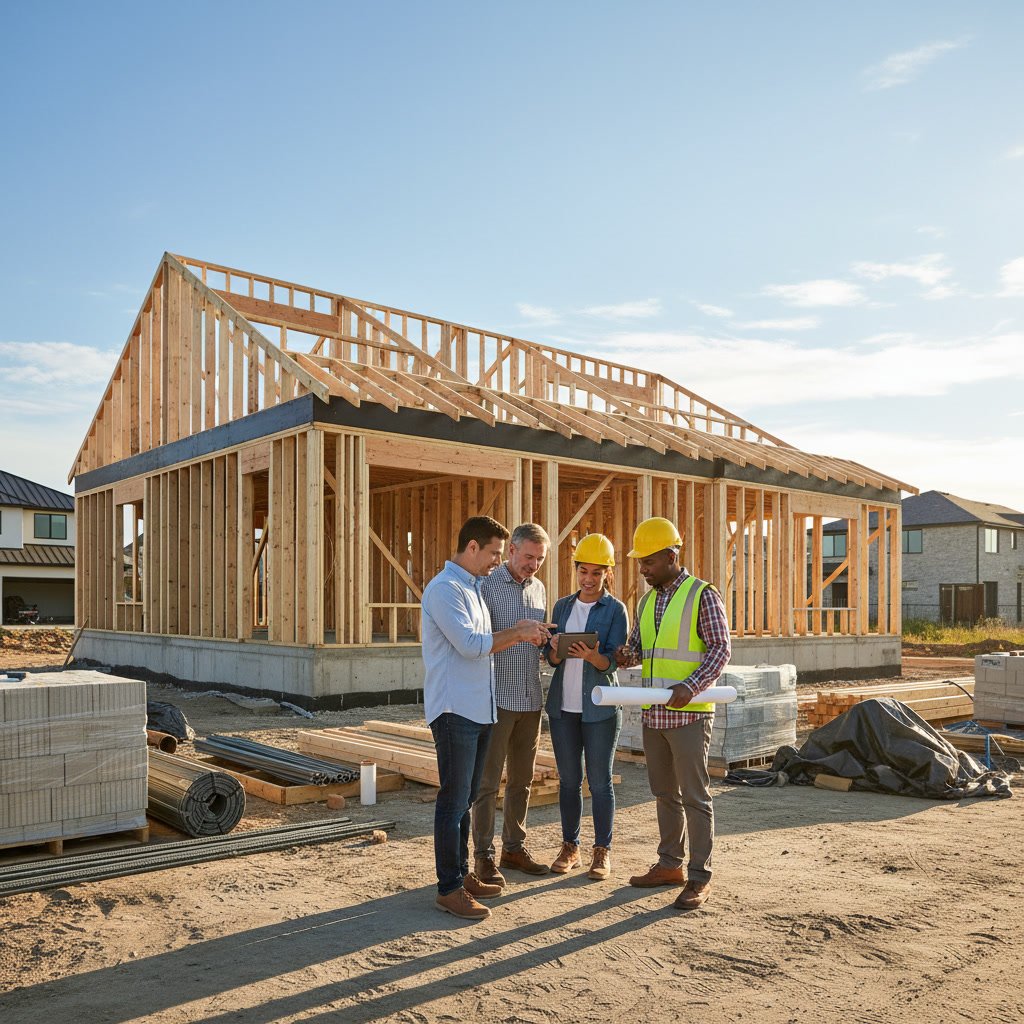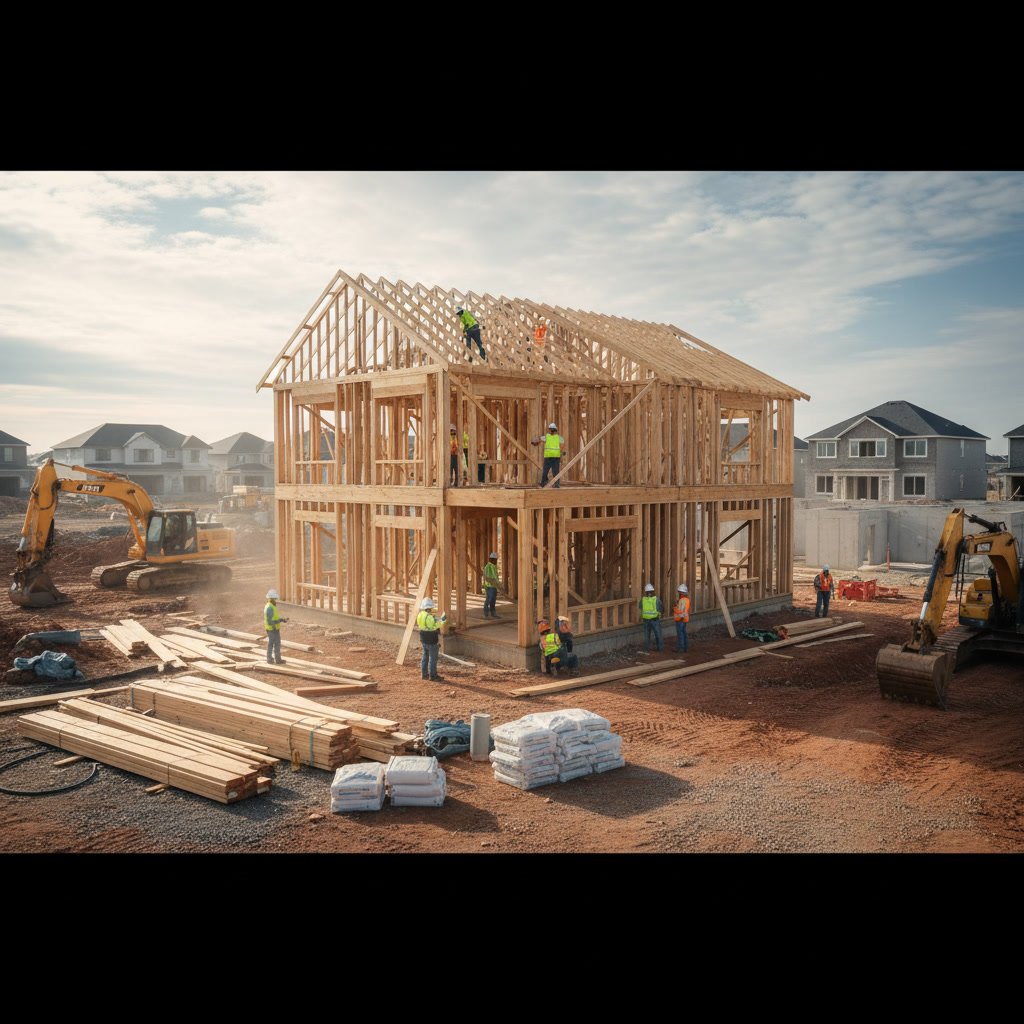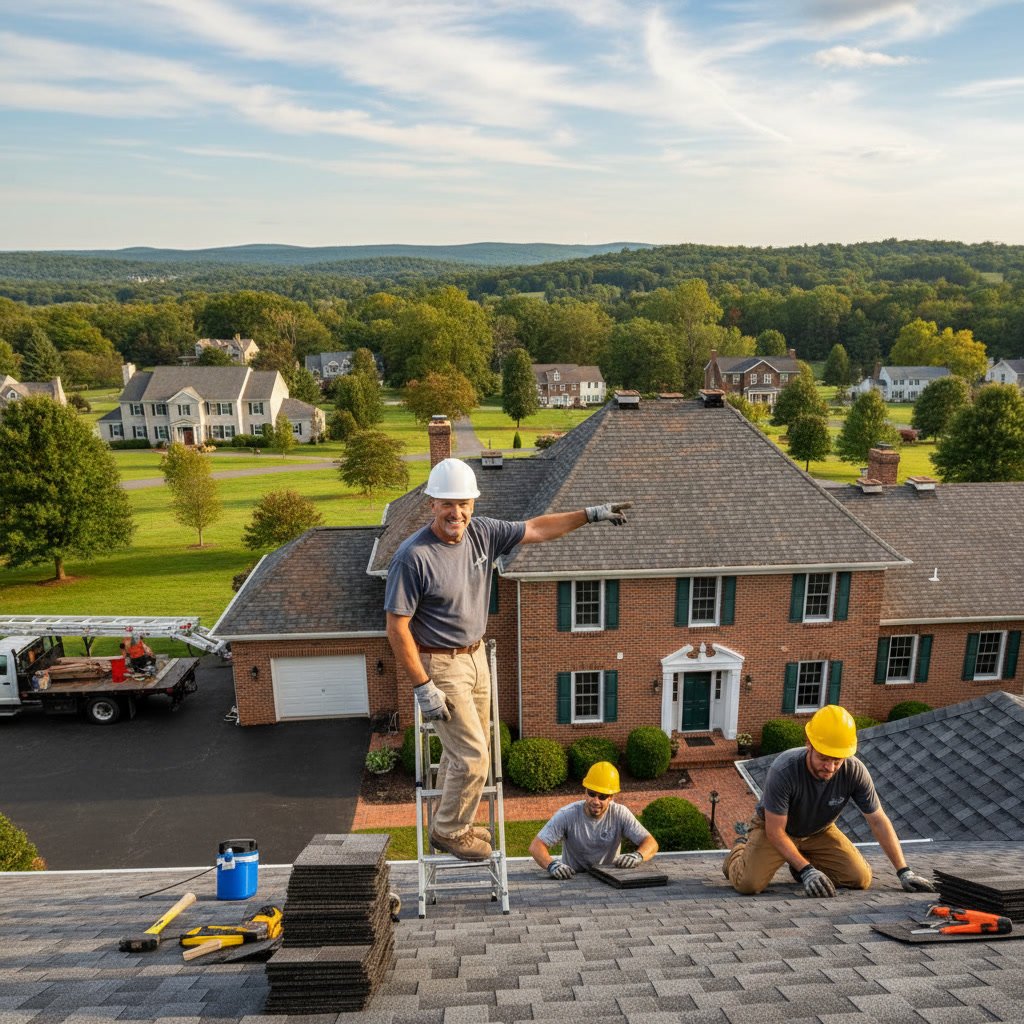
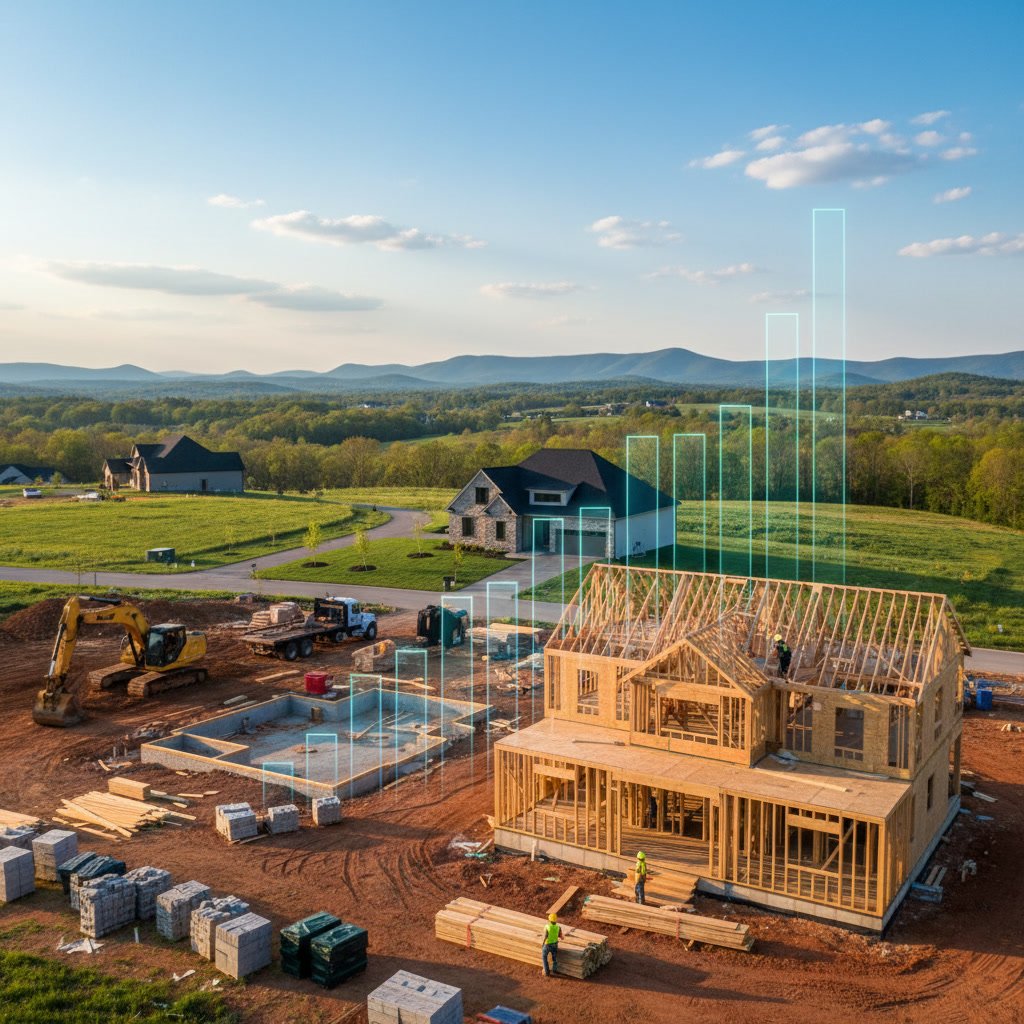
Building a new home from the ground up represents one of the most significant financial commitments you’ll ever make. The new home build cost Pennsylvania varies dramatically based on location, size, materials, and finishes. Most homeowners in Pennsylvania can expect to invest between $150 and $400 per square foot for a complete custom build, which translates to $300,000 to $800,000 or more for a typical 2,000 square foot home.
Understanding these costs before breaking ground helps you make informed decisions about your project scope, timeline, and financing. This guide breaks down every major cost category so you can budget accurately and avoid surprises during construction.
Breaking Down the Base Construction Costs
The foundation of any accurate budget starts with understanding base construction costs. In Pennsylvania, these costs fluctuate based on regional labor rates, material availability, and site conditions.
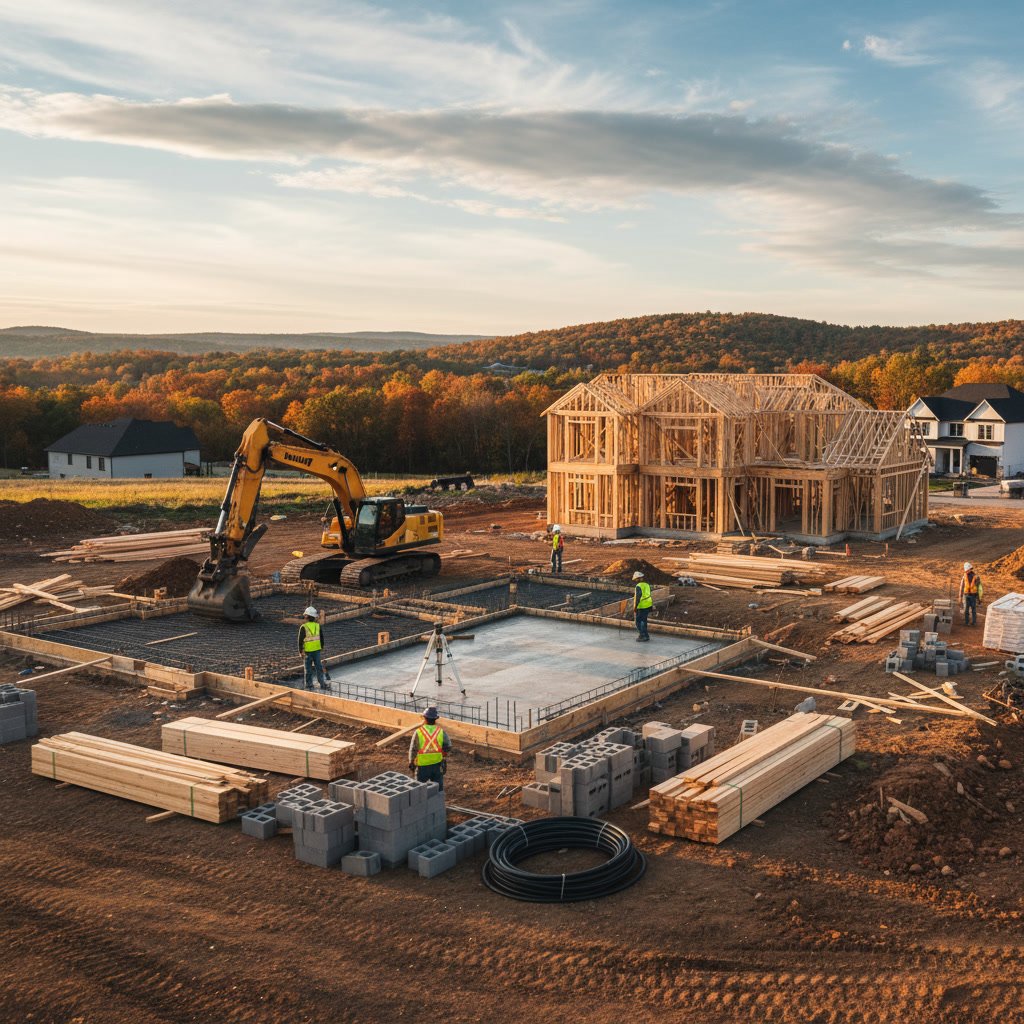
Foundation and site work typically accounts for 10-15% of your total budget. This includes excavation, grading, utilities connections, and the actual foundation pour. Rocky terrain in parts of Southern PA can increase excavation costs by 20-40% compared to easier soil conditions.
Framing represents another 15-20% of total costs and includes lumber, labor, and structural components. Recent lumber price stabilization has helped, but Pennsylvania’s cold climate requires additional framing considerations for insulation and energy efficiency that warmer regions can skip.
Exterior finishes including roofing, siding, windows, and doors consume roughly 15-20% of your budget. Quality materials here directly impact long-term maintenance costs and energy bills.
Pro Tip: Pennsylvania building codes require specific R-values for insulation and energy-efficient windows. Factor these requirements into your budget early, as they’re non-negotiable and can add $15,000-$30,000 to a typical home.
Interior Finishes and Their Price Impact
Interior finishes represent where your budget can swing wildly based on personal preferences. This category typically represents 25-35% of total construction costs.
Kitchen and bathroom fixtures, cabinets, and countertops alone can range from $30,000 to $100,000+ depending on quality and customization. A basic builder-grade kitchen might cost $15,000, while a high-end custom kitchen with custom built-ins and millwork can easily exceed $75,000.
Flooring choices dramatically affect your bottom line. Luxury vinyl plank costs $3-7 per square foot installed, while hardwood runs $8-15 per square foot. For a 2,000 square foot home, that’s a $10,000-$16,000 difference.
Interior trim, doors, and paint represent another $20,000-$40,000 for quality materials and professional installation. Custom millwork and built-ins add character but increase costs proportionally.
Where to Splurge and Where to Save
Structural elements and systems should never be compromised. Your foundation, framing, roofing, HVAC, plumbing, and electrical work need quality materials and expert installation.
Interior finishes offer more flexibility. You can install builder-grade fixtures initially and upgrade later when budget allows. Hardware, light fixtures, and decorative elements are easily replaceable without major renovation.
Location-Specific Costs Across Pennsylvania
The new home build cost Pennsylvania varies significantly by region. Urban and suburban areas near Philadelphia and Pittsburgh see higher labor rates and stricter permit requirements than rural counties.
In Pennsylvania, expect these regional variations. Southeastern counties including Chester, Delaware, and Montgomery typically run $200-$400 per square foot. Central Pennsylvania counties like Centre and Cumberland range from $150-$250 per square foot. Rural northern counties may see costs as low as $130-$200 per square foot.
Land costs separate from construction vary even more dramatically. A buildable lot in suburban Philadelphia might cost $100,000-$300,000, while rural acreage can be purchased for $20,000-$60,000.
Permit fees, impact fees, and connection charges differ by municipality. Some townships charge flat permit fees of $2,000-$5,000, while others calculate fees based on construction value, potentially reaching $15,000-$25,000 for larger homes.
Hidden Costs That Surprise New Builders
Beyond obvious construction expenses, several hidden costs catch first-time builders off guard. Planning for these prevents budget overruns.
Temporary utilities during construction including electricity, water, and portable sanitation add $3,000-$6,000 to your project. Builders need power and water on-site for months before permanent utilities activate.
Dumpster rental and waste removal for a complete new build typically costs $4,000-$8,000. Construction generates substantial debris that must be properly disposed of.
Construction loans carry higher interest rates than traditional mortgages and include origination fees, inspection fees, and draw fees totaling 1-3% of the loan amount. On a $400,000 construction loan, that’s $4,000-$12,000 in fees alone.
Landscaping and site finishing often get overlooked until the house is complete. Budget $15,000-$40,000 for grading, seeding, trees, shrubs, driveway paving, and walkways to make your property move-in ready.
Key Takeaway: Add a 10-15% contingency to your base budget for unexpected issues. Discovering rock during excavation, encountering supply delays, or making design changes mid-construction happens on most projects.
Size and Design Complexity Factors
Square footage directly correlates with cost, but the relationship isn’t perfectly linear. Smaller homes often cost more per square foot than larger ones because certain fixed costs get spread across less space.
A 1,200 square foot home might cost $225 per square foot ($270,000 total), while a 3,000 square foot home might cost $180 per square foot ($540,000 total). Both need one kitchen, utility connections, and a heating system regardless of size.
Architectural complexity significantly impacts costs. A simple rectangular ranch costs substantially less than a multi-story home with dormers, multiple roof lines, and complex angles. Each corner, roof valley, and design element adds labor and material costs.
Custom features like vaulted ceilings, specialty windows, or unique exterior materials increase both material and labor costs. A standard eight-foot ceiling costs less to frame, drywall, and finish than a 12-foot or cathedral ceiling.
Single Story vs Multi-Story Cost Differences
Single-story homes require larger foundations and roof areas per square foot of living space, increasing those specific costs. Multi-story homes concentrate living space vertically, reducing foundation and roofing expenses but adding staircase costs and more complex framing.
In Pennsylvania’s climate, single-story homes can be more energy-efficient since heat doesn’t rise away from living spaces. Multi-story homes offer better land utilization on smaller lots common in suburban areas.
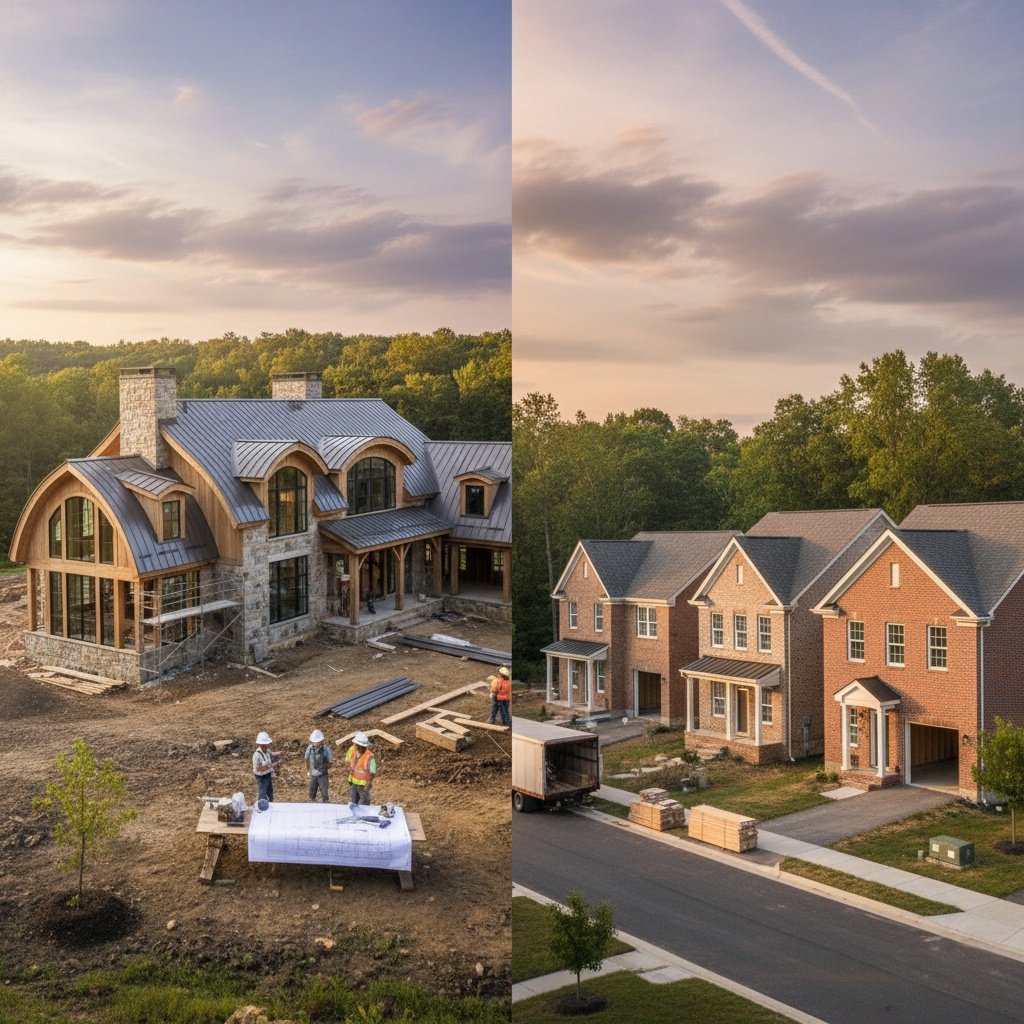
Choosing Between Custom and Semi-Custom Builds
Full custom homes built from architect-designed plans represent the high end of the cost spectrum. Expect to pay $250-$400+ per square foot for true custom work where every detail is specified to your preferences.
Semi-custom builds start with existing plans that you modify to suit your needs. This approach typically saves 15-25% compared to full custom while still allowing personalization of finishes, fixtures, and some layout elements.
Production or spec homes, though not typically what complete new builds refer to, offer the lowest per-square-foot costs but limited customization. These rarely apply when you own your land and want a personalized home.
Working with an experienced contractor who handles both residential construction and understands Pennsylvania building requirements helps navigate these options and find the right balance for your budget.
Material Selection and Its Budget Impact
Every material choice affects your final cost. Understanding options and their price ranges helps you make decisions aligned with your budget and priorities.
Roofing materials vary from asphalt shingles at $4-7 per square foot to metal roofing at $8-14 per square foot to slate or tile at $15-30+ per square foot. Longevity increases with price, asphalt shingles last 20-30 years while metal can last 50+ years.
Siding choices range from vinyl at $3-8 per square foot to fiber cement at $6-12 per square foot to brick or stone at $15-30 per square foot. Maintenance requirements vary dramatically, with vinyl requiring little upkeep while wood siding needs regular painting or staining.
Window quality dramatically affects both upfront costs and long-term energy bills. Basic vinyl windows cost $300-600 installed, while high-performance triple-pane windows run $800-1,500 each. For a typical home with 20-30 windows, that’s a $10,000-$27,000 difference.
Energy Efficiency Upgrades Worth Considering
Pennsylvania’s cold winters and humid summers make energy efficiency crucial. Upgrading insulation beyond code minimums costs $3,000-$8,000 but can reduce heating and cooling costs by 20-30% annually.
High-efficiency HVAC systems cost $8,000-$15,000 installed compared to $5,000-$10,000 for basic systems. The difference typically pays for itself within 7-10 years through lower utility bills.
Timeline and Its Cost Implications
Construction duration directly impacts carrying costs. Most new home builds in Pennsylvania take 6-12 months from groundbreaking to move-in, depending on size and complexity.
Weather delays are unavoidable in Pennsylvania. Winter construction is possible but slower and may require heated enclosures for certain trades, adding costs. Spring and summer offer optimal construction windows but higher contractor demand.
Construction loans accrue interest during the build period. On a $400,000 loan at 7% interest over nine months, you’ll pay roughly $21,000 in interest before converting to a permanent mortgage.
Longer timelines also mean longer rental payments if you’re paying for housing while building. A nine-month build means nine months of rent plus your construction costs.
Pro Tip: Starting construction in early spring allows maximum good-weather months for exterior work and often results in fall or early winter completion. This timing works well in Pennsylvania’s climate.
Working With the Right Builder
Your contractor choice influences both cost and quality outcomes. Experienced builders provide accurate estimates, manage subcontractors effectively, and solve problems before they become expensive issues.
General contractors typically charge 10-20% of total construction costs for project management, coordination, and oversight. This fee covers scheduling, permit management, inspections, quality control, and problem-solving throughout construction.
Winner Chenoweth Enterprises LLC brings extensive experience with new construction projects throughout Pennsylvania and surrounding areas. Their background includes both commercial and residential projects, providing the diverse expertise needed for complex builds.
Detailed contracts protect both parties. Your agreement should specify materials by brand and grade, include a payment schedule tied to completion milestones, establish a timeline with reasonable allowances for weather delays, and clearly define change order procedures.
Questions to Ask Potential Builders
Request references from recent new build clients and actually contact them. Ask about communication, problem-solving, budget management, and final satisfaction.
Verify licensing, insurance, and bonding appropriate for Pennsylvania construction. Ask how they handle unexpected issues and cost overruns. Understand their warranty coverage for both materials and workmanship.
Financing Your Pennsylvania New Build
Construction loans differ significantly from traditional mortgages. Understanding your financing options helps you budget for the complete project cost including soft costs.
Construction-to-permanent loans start as construction loans during the build, then convert to traditional mortgages at completion. This approach saves closing costs by combining two loans into one.
Stand-alone construction loans require a second closing and new loan after construction completes. Total closing costs run higher, but these loans offer flexibility if you plan to shop for the best permanent mortgage rates after building.
Down payment requirements for construction loans typically range from 20-25%, higher than the 3-20% common for home purchase mortgages. On a $400,000 project, expect to provide $80,000-$100,000 upfront.
Lenders release funds in draws tied to construction milestones. Typical draw schedule includes foundation completion, framing completion, rough mechanical completion, drywall completion, and final completion. Each draw requires an inspection confirming the work justifies the payment.
Comparing New Construction to Additions
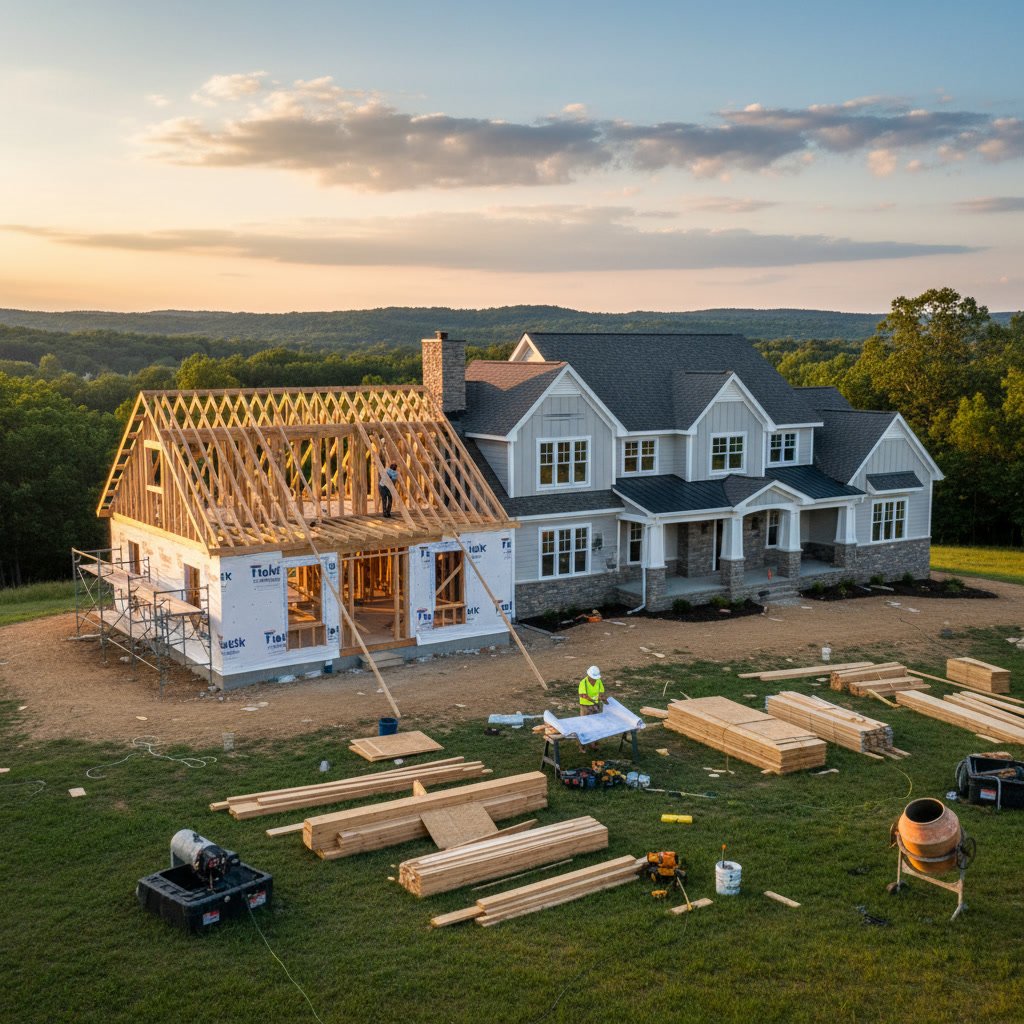
Sometimes expanding an existing home makes more financial sense than building new. If you already own a home on desirable land, addition costs might deliver better value.
However, new construction offers advantages including modern systems throughout, optimal layout without compromise, current energy efficiency standards, and no surprises hidden in old walls or foundations.
The decision depends on your current home’s condition, lot size and zoning, whether you’re satisfied with the location, and how much space you need. Adding 1,000 square feet costs $100,000-$200,000, while building a complete 2,500 square foot home runs $375,000-$600,000 but gives you an entirely new structure.
Frequently Asked Questions
What is the average cost per square foot to build a house in Pennsylvania?
The average new home build cost Pennsylvania ranges from $150 to $400 per square foot depending on location, materials, and finishes. Rural areas trend toward the lower end while suburban Philadelphia and Pittsburgh areas reach the higher end. This range covers everything from basic builder-grade finishes to higher-end custom selections.
How long does it take to build a new home in Pennsylvania?
Most new homes take 6-12 months from groundbreaking to completion. Smaller, simpler homes with readily available materials can finish in six months, while larger custom homes with complex designs and specialty materials may take a full year or longer. Weather delays during Pennsylvania winters can extend timelines by several weeks.
Do I need to own land before applying for a construction loan?
Most construction lenders require you to either own the land free and clear or include land purchase in the construction loan. Some lenders offer land-and-construction combination loans that finance both the lot purchase and building costs. Expect to provide a larger down payment for combination loans, typically 25-30% of the total project cost.
What permits are required for new home construction in Pennsylvania?
Pennsylvania requires building permits issued by local municipalities, septic permits if not connecting to public sewer, well permits if not using public water, and electrical permits for service installation. Your builder typically handles permit applications and fees, but confirm this responsibility in your contract. Total permit costs range from $3,000 to $15,000 depending on location and project scope.
Can I save money by acting as my own general contractor?
Owner-builder projects can save the 10-20% general contractor markup but require significant time, construction knowledge, and management skills. You’ll need to coordinate all subcontractors, schedule inspections, order materials, manage the budget, and solve problems as they arise. Most lenders are hesitant to finance owner-builder projects without proven construction experience. The risk of costly mistakes often exceeds potential savings for inexperienced builders.
Planning Your Pennsylvania New Build Project
Understanding the complete picture of new home build cost Pennsylvania helps you set realistic expectations and make informed decisions throughout the process. Most successful projects result from thorough planning, accurate budgeting with appropriate contingencies, and partnerships with experienced professionals.
Start by defining your must-haves versus nice-to-haves. Prioritize spending on structural elements, systems, and features that can’t be easily changed later. Leave flexibility for finish upgrades you can tackle over time as budget allows.
Winner Chenoweth Enterprises LLC serves homeowners throughout Harford County, Southern Pennsylvania, Maryland, and Delaware with comprehensive construction services. Their team handles projects from initial planning through final walkthrough, ensuring quality workmanship and attention to detail at every phase. Contact them at +17178175128 to discuss your new build project and receive a detailed estimate based on your specific plans and location.