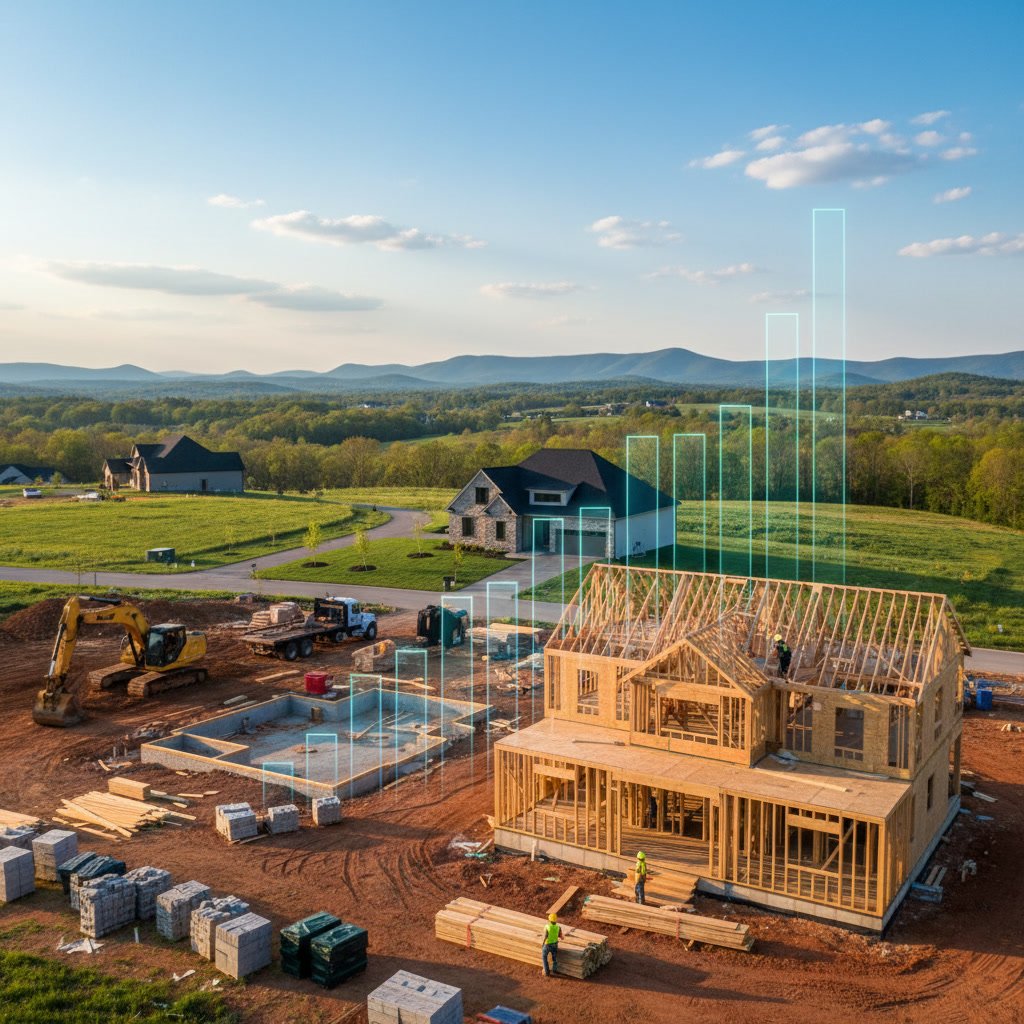
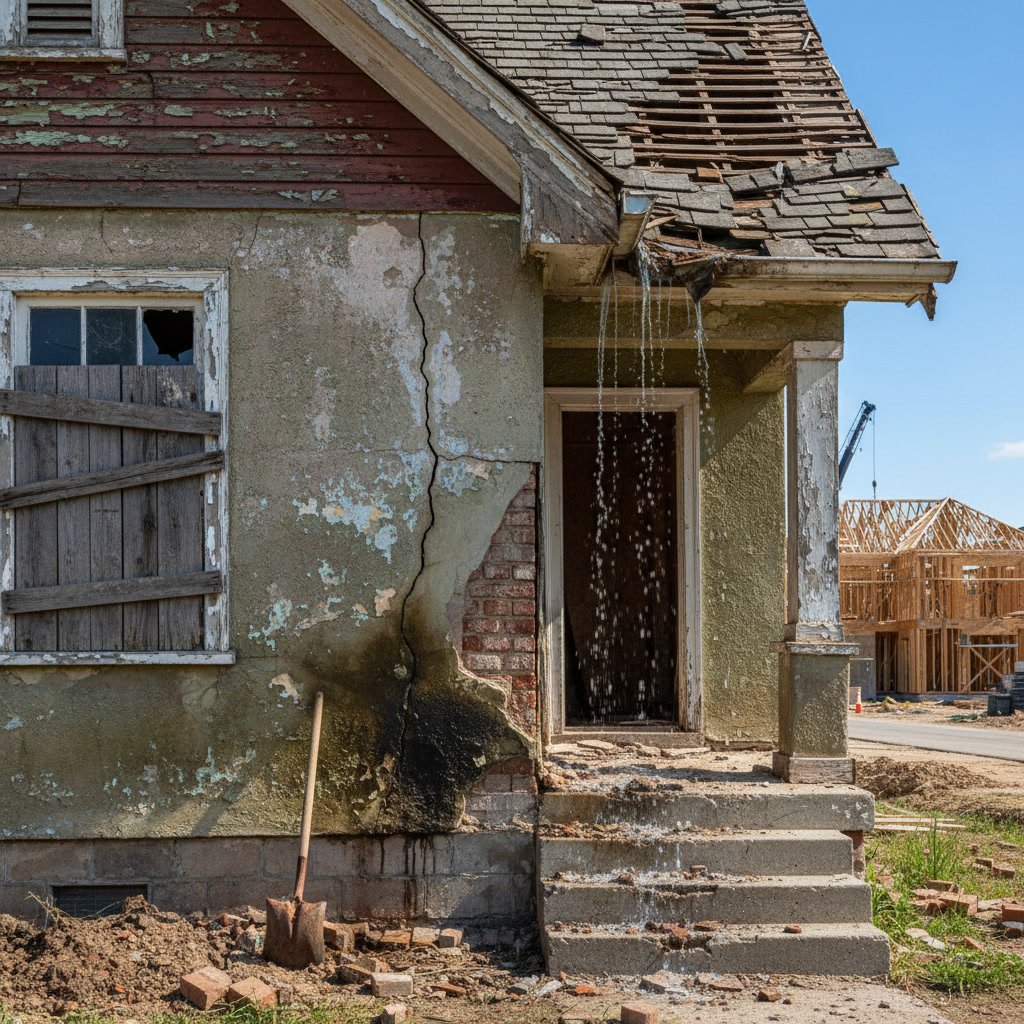
Recognizing the signs you need residential construction rather than ongoing repairs can save you thousands of dollars and years of frustration. When repair costs exceed 50% of a major renovation or rebuild, the balance has shifted from maintenance to rebuilding. Chronic issues like foundation cracks, outdated electrical systems, or structural damage often signal that patchwork fixes no longer make financial or practical sense.
When Repairs Become a Money Pit
Homeowners typically face a turning point when annual repair bills climb into the thousands. If you’ve spent more than $8,000 to $10,000 on various fixes within 18 months, those Band-Aid solutions are likely masking deeper problems. Multiple contractors telling you that one issue leads to another reveals systemic failures in your home’s structure or systems.
The “domino effect” serves as a reliable indicator. A leaking roof damages ceiling joists, which compromises wall integrity, which allows moisture into insulation. At this stage, replacing the shingles alone won’t solve the cascade of problems. A comprehensive approach through residential construction addresses root causes instead of symptoms.
Your Home No Longer Fits Your Lifestyle
Life changes often outpace the homes we live in. Growing families need bedrooms, home offices have become essential, and aging parents may move in. When these shifts occur, you face a choice: adapt the house or move.
Before assuming you need to relocate, consider that building an addition or reconfiguring existing space often costs 30% to 50% less than selling and buying a larger home when you factor in real estate fees, moving costs, and higher mortgage rates. Strategic construction can transform unusable square footage into exactly what you need while keeping you in the neighborhood and school district you prefer.

Structural Warning Signs That Demand Action
Certain problems announce themselves as structural emergencies. Foundation cracks wider than one-quarter inch, sagging floor joists, bowing basement walls, or visible settling all indicate serious compromise. These conditions rarely improve with superficial fixes.
Doors that won’t close properly, windows that stick, or floors that slope more than half an inch over 20 feet point to framing or foundation issues. When you notice these symptoms across multiple rooms, the entire structure may be shifting. Professional assessment becomes critical, and the solution usually involves substantial reconstruction rather than isolated repairs.
Energy Bills Reveal Hidden Inefficiencies
When heating and cooling costs spike without explanation, your home’s building envelope has likely failed. Single-pane windows, inadequate insulation, air leaks around doors, and outdated HVAC systems combine to drain your wallet monthly.
Modern construction standards deliver dramatically better performance. Homes built or renovated within the past decade typically use 20% to 40% less energy than those from the 1980s or earlier. If your utility bills run $300 or more per month in moderate climates, the cumulative savings from proper siding, insulation, and window replacement can recover construction costs within seven to ten years.
Outdated Systems Create Safety Hazards in Harford County Homes
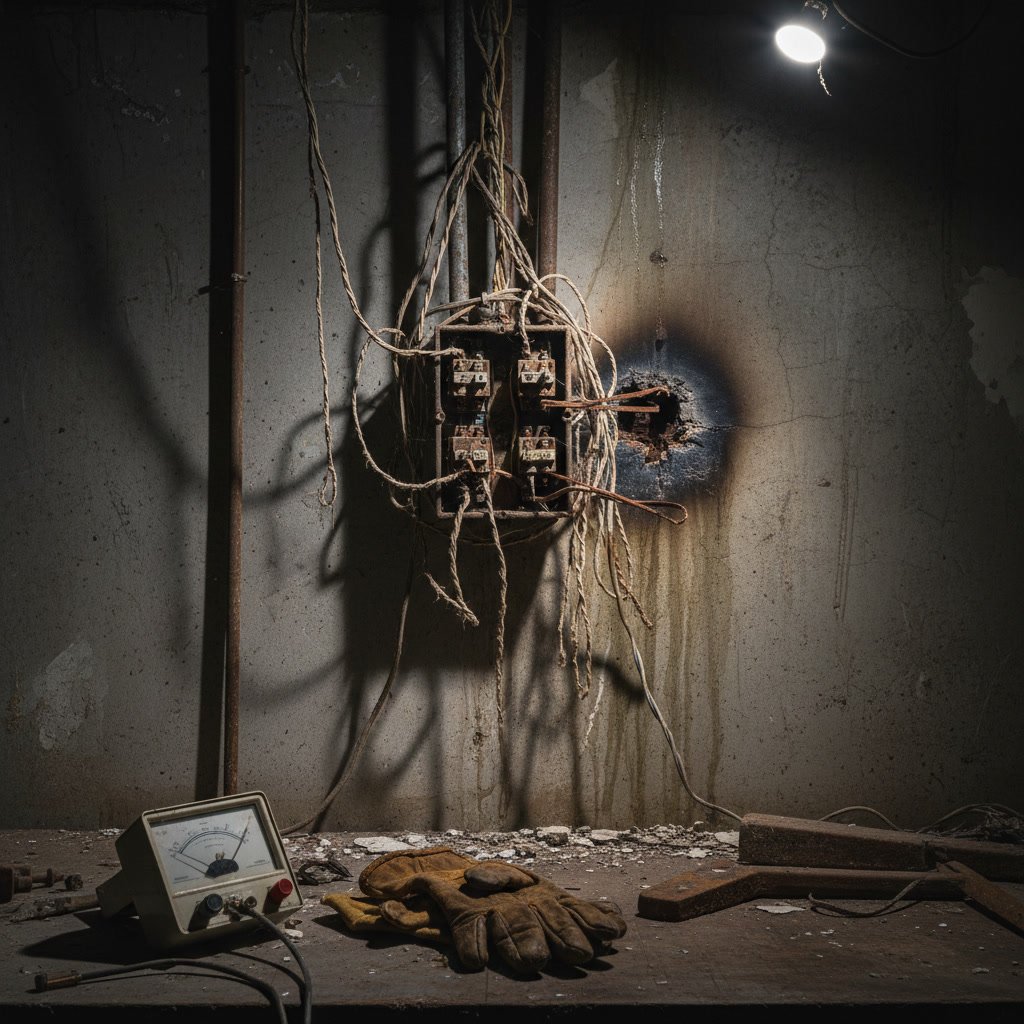
Electrical panels with fuses instead of breakers, knob-and-tube wiring, galvanized steel plumbing, or asbestos insulation represent genuine safety risks. Insurance companies increasingly refuse coverage or charge premium rates for homes with these outdated materials.
Upgrading individual systems piecemeal proves inefficient when multiple hazards exist. A whole-home renovation allows electricians, plumbers, and HVAC specialists to coordinate installations, run lines efficiently, and bring everything to current code in one coordinated effort. This integrated approach costs less than serial upgrades spread over years.
The Five-System Failure Point
Every home contains major systems with finite lifespans: roofing (15 to 25 years), HVAC (12 to 15 years), water heaters (8 to 12 years), windows (20 years), and siding (20 to 40 years depending on material). When three or more systems approach end-of-life simultaneously, bundling replacements within a larger construction project makes economic sense.
Contractors offer better pricing on materials when purchasing for comprehensive projects. Labor costs decrease because workers mobilize once rather than multiple times. Permits cover all work under one application. The administrative and financial efficiency of coordinated replacement through general contracting services typically saves 15% to 25% compared to separate projects.
Design Limitations You Can No Longer Tolerate
Homes built decades ago reflect different priorities. Closed-off kitchens, single bathrooms, inadequate storage, low ceilings, and poor natural light characterize many older floor plans. If you’ve lived with these frustrations for years and minor updates haven’t solved them, the layout itself is the problem.
Removing walls, adding windows, raising ceilings, or reconfiguring room relationships requires construction expertise beyond cosmetic remodeling. These changes affect load-bearing structures, require engineering assessments, and involve permits. When you’re ready to stop working around limitations and instead redesign spaces to support how you actually live, you’ve reached the construction threshold rather than the repair threshold.
Understanding new home build costs in Pennsylvania can help you evaluate whether extensive renovation or new construction makes better financial sense for your situation.
Storm Damage Reveals Deeper Vulnerabilities
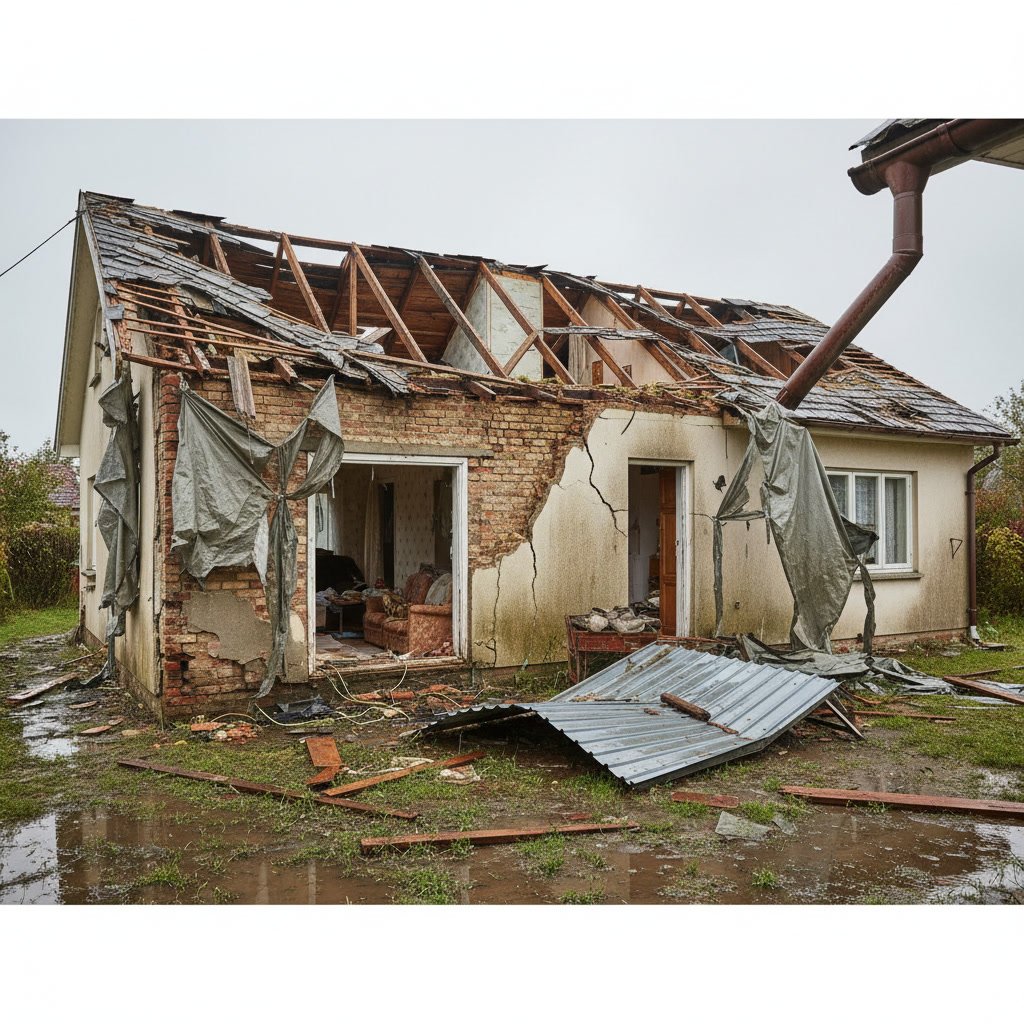
Severe weather often exposes weaknesses that routine inspections miss. When a storm damages your roof, the insurance adjuster may discover rotted decking, inadequate ventilation, or improper flashing that predated the storm. Water intrusion during heavy rains might reveal grading problems, foundation cracks, or failed waterproofing.
These discoveries present a strategic opportunity. Insurance proceeds for covered damage can fund the immediate repairs, while you add related improvements that address underlying vulnerabilities. Coordinating storm restoration with proactive upgrades creates a more resilient home and avoids future claims.
Calculating the Repair-Versus-Build Breakpoint
Financial analysis provides objective guidance when emotions complicate decisions. Industry professionals use a straightforward formula: if total anticipated repairs over the next five years exceed 50% of current home value, or if they exceed 75% of the cost to rebuild the affected areas, construction makes better economic sense than continued repairs.
For example, if you own a home valued at $300,000 and face $40,000 in roof repairs, $25,000 in foundation work, $15,000 in plumbing upgrades, and $20,000 in electrical updates over the next several years, that $100,000 total represents one-third of home value. At that level, strategic additions or comprehensive renovation might deliver better long-term value than incremental fixes.
Professional appraisers and construction estimators can assess whether repairs will genuinely increase resale value or simply maintain a declining asset. This evaluation proves especially valuable in neighborhoods experiencing renovation trends, where updated homes command significant premiums.
Code Compliance Issues Multiply Costs
Building codes evolve continuously, and work performed decades ago may no longer meet current standards. When you pull permits for repairs, inspectors often require upgrades to related systems even if you weren’t planning to touch them. This “triggered compliance” can turn a $5,000 repair into a $20,000 project.
Homeowners selling properties frequently encounter code violations during buyer inspections. Rather than negotiating price reductions or making rushed repairs before closing, addressing these issues through planned construction gives you control over timing, contractor selection, and project scope. You benefit from the improvements rather than discounting sale price to compensate buyers for problems.
Making the Transition With Confidence
Once you’ve identified clear signals that construction makes more sense than continued repairs, the next step involves finding experienced professionals who understand the full scope of residential building. The right team will conduct thorough assessments, provide transparent cost estimates, and help you prioritize projects based on safety, functionality, and budget.
Quality construction delivers returns that repairs cannot match: improved safety, enhanced comfort, lower operating costs, better functionality, and increased property value. These benefits compound over time, making the initial investment increasingly valuable with each passing year. Choosing construction over perpetual maintenance shifts you from reactive spending to strategic investment in your most valuable asset.
Winner Chenoweth Enterprises LLC brings extensive experience in both commercial and residential projects throughout Maryland, Pennsylvania, and Delaware. The team evaluates properties honestly, distinguishes between necessary repairs and value-adding construction, and delivers quality workmanship that addresses root causes rather than symptoms. Whether your project involves structural repairs, system upgrades, or complete transformation of your living space, experienced guidance makes the difference between frustration and satisfaction. Contact the team at +17178175128 to discuss how professional construction services can solve persistent problems and create the home you deserve.