
The decision to choose a residential construction company affects every aspect of your home project, from timeline and budget to quality and long-term satisfaction. A qualified builder brings technical expertise, proper licensing, transparent communication, and a track record of completed work that speaks for itself. Homeowners who invest time in vetting contractors upfront avoid the costly mistakes that come from hiring based solely on price or convenience.
Understanding Your Project Scope Before You Start
Before reaching out to any builder, define exactly what you need. A kitchen upgrade requires different expertise than a full home addition or new construction. Write down your goals, preferred materials, must-have features, and realistic budget range. This clarity helps contractors provide accurate estimates and prevents scope creep once work begins.
Projects involving structural changes, plumbing relocation, or electrical upgrades need builders with comprehensive skills across multiple trades. Smaller jobs like cosmetic updates may not require the same level of oversight, but quality workmanship still matters. The more detailed your initial vision, the easier it becomes to compare proposals from different companies.
Why Licensing and Insurance Matter More Than You Think
Every legitimate construction company carries current licensing for the states where they operate and maintains both general liability and workers compensation insurance. These credentials protect you from financial liability if a worker gets injured on your property or if the work causes damage to your home or neighboring properties.
Ask to see certificates of insurance directly from the carrier, not just a photocopy the contractor provides. Verify the policy remains active and covers the dates of your project. In Maryland, contractors must register with the state for projects exceeding certain dollar amounts. Confirm registration numbers through official state databases before signing any agreement.
Evaluating Experience in Harford County and Beyond
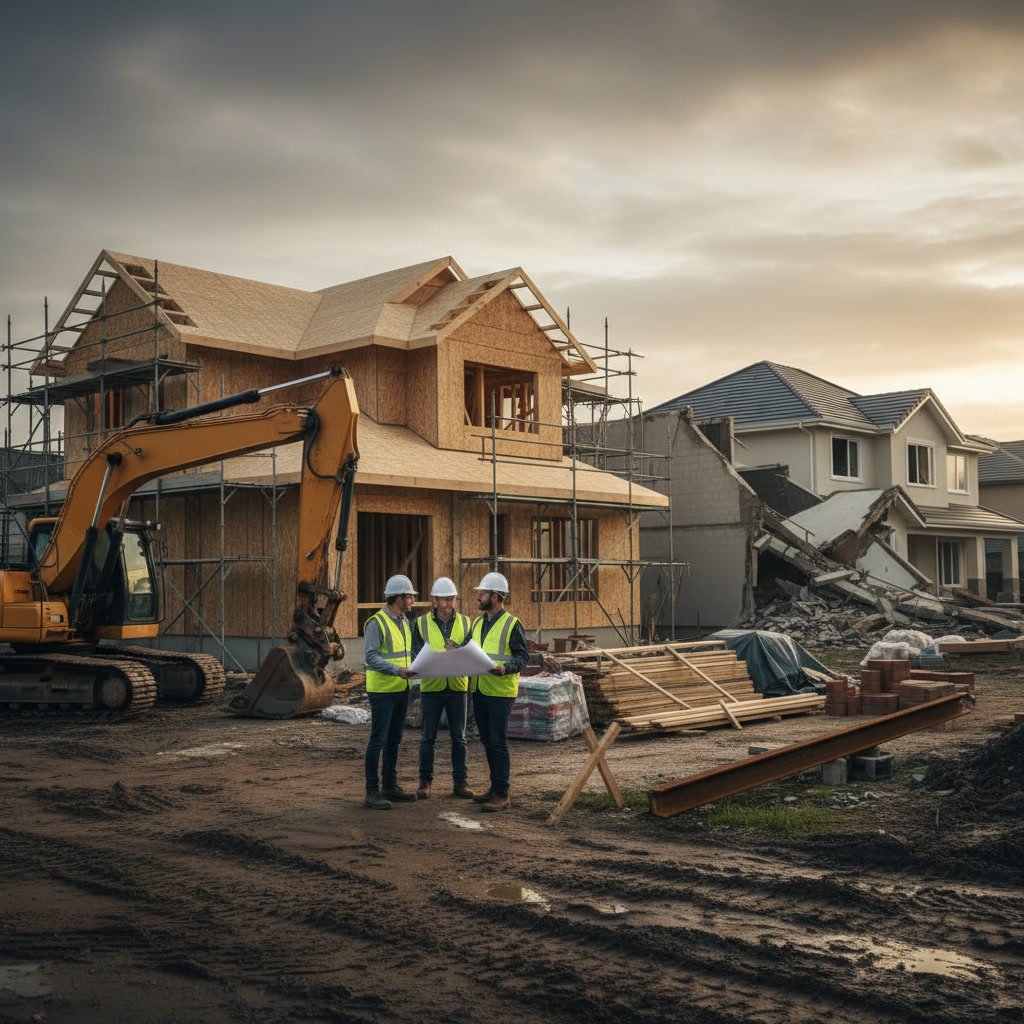
Local experience matters because builders familiar with regional building codes, permit processes, and climate considerations complete projects more efficiently. A company that regularly works in Harford County understands local inspection requirements and has established relationships with suppliers and subcontractors in the area.
Ask how many projects similar to yours the company has completed in the past three years. A builder who specializes in complete new builds brings different skills than one focused primarily on smaller renovations. The best contractors can show you a portfolio of finished work that matches your project type and quality expectations.
Reading Between the Lines of References and Reviews
Request at least three recent references from projects completed within the past 18 months. When you call these references, ask specific questions about timeline accuracy, how the team handled unexpected problems, cleanliness of the work site, and whether the final cost matched the original estimate.
Online reviews provide additional perspective, but read them critically. One or two negative reviews among dozens of positive ones may reflect an isolated incident rather than a pattern. Look for how the company responds to criticism. Professional builders address complaints directly and work toward resolution rather than making excuses or blaming clients.
What a Detailed Estimate Reveals About a Builder
A comprehensive written estimate breaks down costs by category: materials, labor, permits, subcontractors, and contingency funds. Vague estimates with a single lump sum number suggest either inexperience or an attempt to hide markup. Reputable builders itemize everything so you understand exactly where your money goes.
The estimate should specify materials by brand and grade, not just generic descriptions. For example, a kitchen remodeling estimate should list the exact cabinet line, countertop material and thickness, appliance models, and flooring type. This level of detail prevents disputes later when the builder installs something different than you expected.
Pay attention to payment schedules. Legitimate contractors never ask for full payment upfront. Standard practice involves a deposit of 10 to 30 percent, followed by progress payments tied to completion milestones. The final payment should not be due until you have inspected and approved all work.

Communication Style and Project Management Approach
During initial meetings, notice how the builder listens and responds to your questions. Do they explain technical concepts in plain language? Do they offer solutions when you describe a challenge, or do they simply say yes to everything without discussing potential issues?
Ask about their project management process. Who serves as your main point of contact? How often will they provide updates? What happens if you need to make a change mid-project? Builders who use project management software or apps often provide better transparency and documentation than those relying solely on phone calls and memory.
Six Red Flags That Should Stop You From Hiring
First, avoid any contractor who pressures you to sign immediately or claims a special discount expires today. Legitimate builders give you time to review contracts and compare options. Second, be wary of significantly low bids that undercut competitors by 20 percent or more. These often indicate either inexperience in estimating or plans to cut corners on materials and labor.
Third, contractors who cannot provide proof of insurance or licensed status should never set foot on your property. Fourth, refuse to work with anyone who suggests skipping permits to save money. Unpermitted work creates legal and financial liability that follows your property. Fifth, distrust builders who only accept cash or push you to pay large sums before work begins. Sixth, steer clear of contractors without a physical business address or established online presence.
How Contract Terms Protect Your Investment
Every construction project needs a written contract signed by both parties before work starts. The contract should include the complete scope of work, start and completion dates, payment schedule, material specifications, warranty terms, and procedures for handling changes or disputes.
Read the warranty section carefully. Quality builders warranty their workmanship for at least one year and honor manufacturer warranties on materials and equipment. The contract should state clearly who handles warranty claims and how quickly they respond to problems.
Include a clause about daily cleanup and final site restoration. Construction generates debris, dust, and disruption. Professional teams clean up daily and leave your property in pristine condition when the job finishes. If you want to learn more about the full process, understanding what happens during a residential construction project from start to finish helps set realistic expectations.

Verifying Subcontractor Quality and Accountability
Most builders subcontract specialized trades like electrical, plumbing, and HVAC work. Ask who will perform these portions of your project and whether those subcontractors carry their own licensing and insurance. The general contractor remains responsible for all work, but knowing who actually performs the labor gives you additional peace of mind.
Request that the contract names major subcontractors and prohibits substitutions without your approval. This prevents the builder from switching to cheaper, less qualified workers after you sign the agreement. Established companies maintain relationships with reliable subcontractors who meet their quality standards.
The Value of Viewing Completed Work in Person
Photos only tell part of the story. Ask to visit completed projects or job sites currently in progress. Walking through actual work reveals quality details that pictures miss, such as precise trim work, smooth drywall finishes, and tight-fitting joints. You can also observe how the team organizes the work site and interacts with clients.
Pay attention to custom built-ins and millwork if your project includes these elements. The quality of finish carpentry separates exceptional builders from average ones. Look for consistent reveal lines, seamless joints, and hardware that operates smoothly. These details indicate a builder who takes pride in craftsmanship.
Moving Forward With Confidence
Selecting the right builder combines research, careful evaluation, and trusting your instincts. When you find a company with proper credentials, relevant experience, transparent communication, and a portfolio of quality work, you gain a partner who transforms your vision into reality. The time you invest in this decision pays dividends through smoother project execution, fewer surprises, and results that exceed your expectations.
Winner Chenoweth Enterprises LLC brings decades of combined construction experience to every project across Maryland, Pennsylvania, and Delaware. From additions to complete renovations, their team delivers the reliable, quality workmanship that homeowners deserve. Start your project with confidence by calling +17178175128 to discuss your construction needs.